Full HTML article body
The semiconductor industry just crossed a major threshold. AMD’s 2nm EPYC Venice processors enter production, Google rebuilds Search with Gemini 3.5 Flash, and new AI computing breakthroughs reshape the industry. This is not a quiet week in tech. At the same time, Google has rebuilt its search engine from the ground up around Gemini 3.5 Flash, and researchers are demonstrating that light itself may power the next generation of AI computing. This is not a quiet week in tech.
AI Venice Puts TSMC’s 2nm Node on the Map
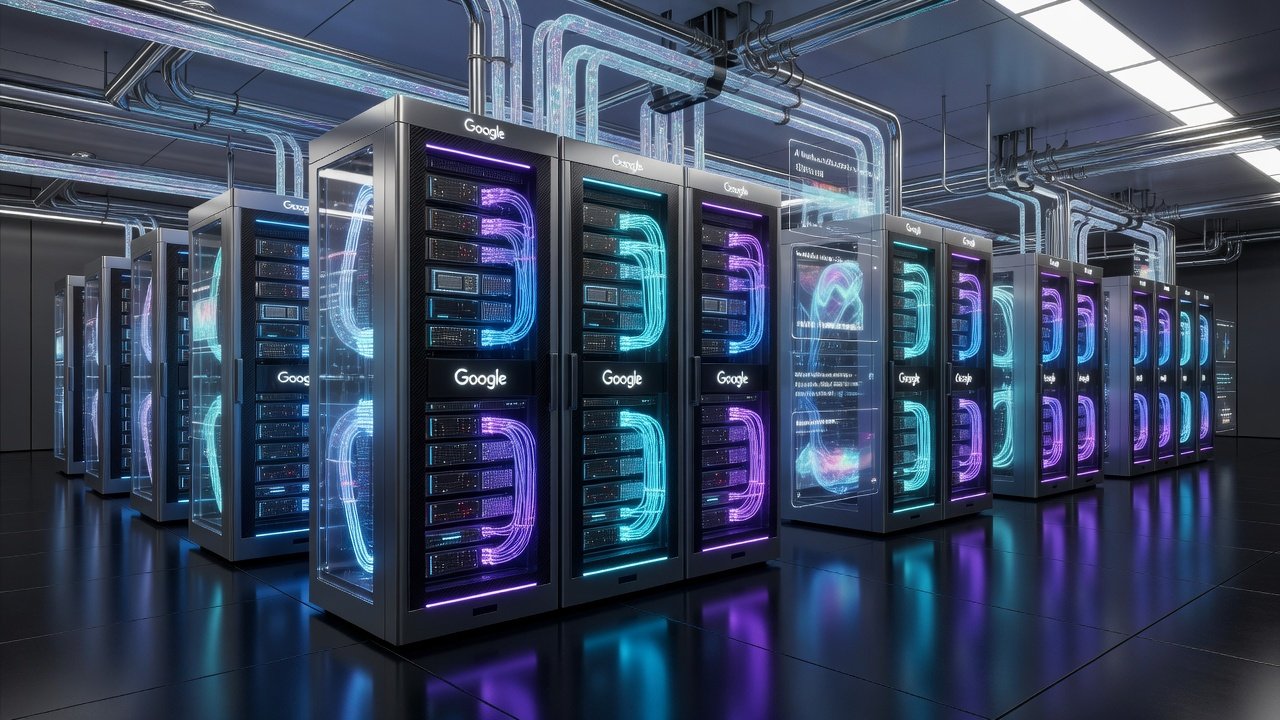
According to AMD’s official announcement, the 2nm EPYC processors are the first to utilize TSMC’s 2nm node. This is a significant milestone for the company, as it marks the first high-performance chips to be produced on this cutting-edge technology. The implications for data centers are direct. Server chips built on 2nm silicon will allow for more compute power per watt, enabling data centers to run more efficiently and at lower costs. As AI workloads continue to dominate the landscape, this advancement is crucial for maintaining competitive advantages.
Google’s Gemini 3.5 Flash: A New Era for Search
Google’s Gemini 3.5 Flash is a complete overhaul of its search engine, designed to provide users with more relevant results and a more intuitive experience. The new system leverages advanced AI algorithms to understand user intent better and deliver results that are tailored to individual needs. This shift is expected to enhance user engagement and satisfaction significantly.
AI and the Future of Computing
The implications for data centers are direct. Server chips built on 2nm silicon will allow for more compute power per watt, enabling data centers to run more efficiently and at lower costs. As AI workloads continue to dominate the landscape, this advancement is crucial for maintaining competitive advantages.