Google Rewrites Search With Gemini 3.5 Flash: The End of the Blue Link Era
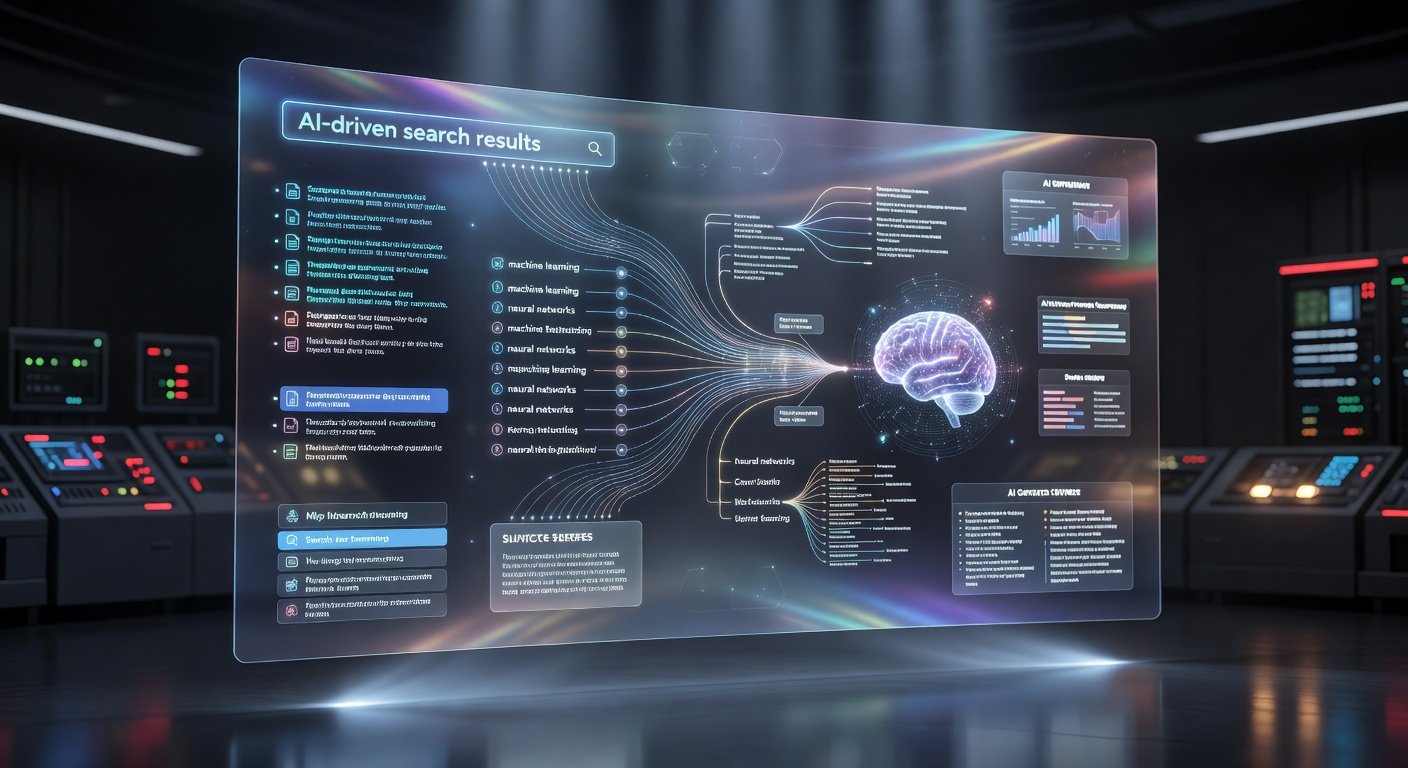
For 25 years, Google Search has looked remarkably the same: a query box, a list of blue links, and a race to the best source. That model may be about to change—fundamentally. According to Crescent AI News, Google is reportedly overhauling its search experience around Gemini 3.5 Flash, replacing traditional search results with AI-powered answers, agents, and conversational queries.
What Google Is Actually Building
The reported redesign goes well beyond AI Overviews; the summary snippets Google began rolling out in 2024. According to the new experience, it’s built entirely around Gemini 3.5 Flash and includes:
- AI-summarized answers that replace traditional blue-link results as the primary response format
- Conversational follow-up questions that enable multi-turn search sessions without restarting a query
- Image and video query experiences that can execute tasks asynchronously on behalf of the user
The choice of Gemini 3.5 Flash is notable strategic. Flash variants are optimized for speed and contextual understanding, which means they can deliver much more relevant results than traditional search engines. If accurate, this is one of the most consequential product shifts in the history of Google’s primary search.
A Week of Significant AI Industry Moves
The Google news did not emerge in a vacuum. This week alone, several major players in the AI space have made significant announcements:
- OpenAI released its latest model, GPT-4.5, which includes enhanced capabilities for understanding and generating human-like text.
- Microsoft announced a partnership with OpenAI to integrate their models into Microsoft Office products.
- Meta unveiled new AI tools for content creation and management.
The choice of Gemini 3.5 Flash is notable strategic. Flash variants are optimized for speed and contextual understanding, which means they can deliver much more relevant results than traditional search engines. If accurate, this is one of the most consequential product shifts in the history of Google’s primary search.