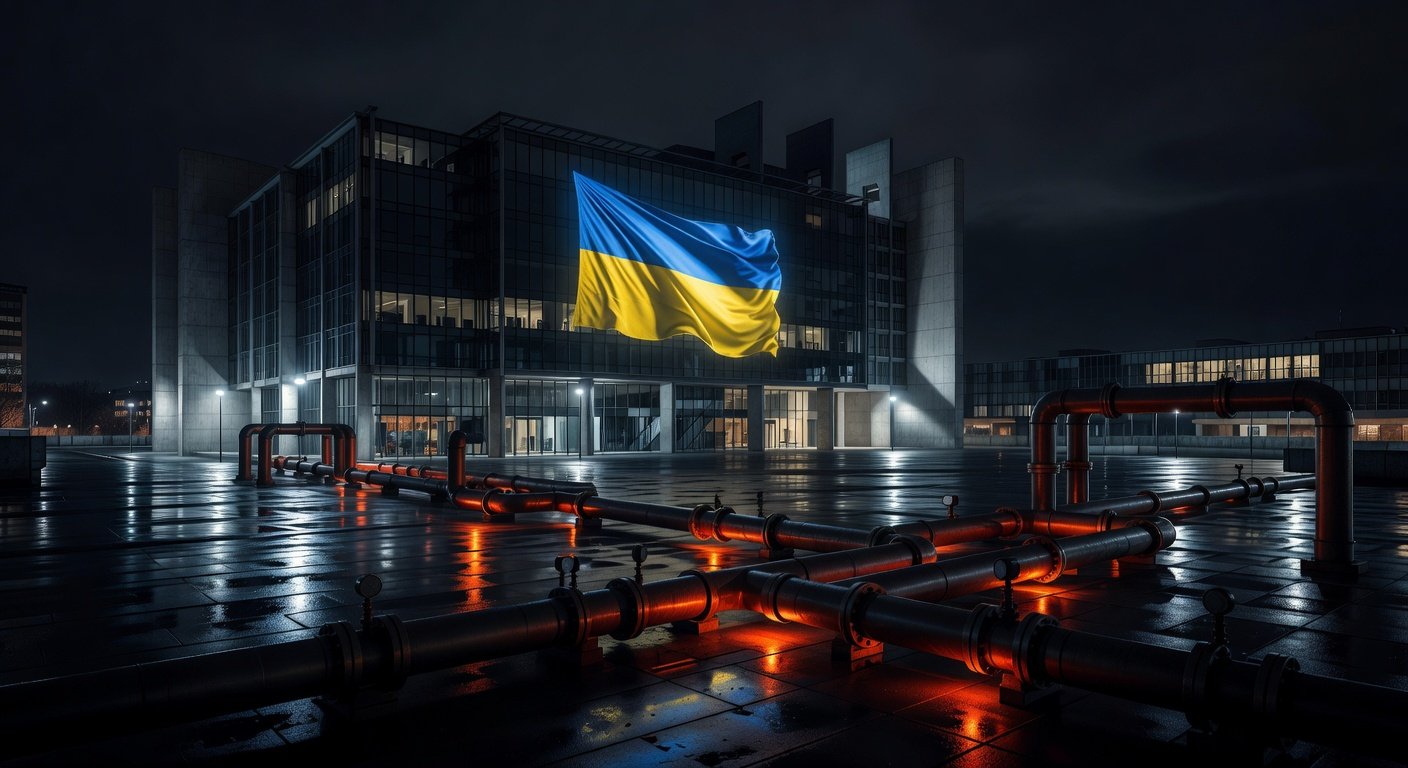
# Zelensky Accuses EU Allies of ‘Blackmail’ in Tense Oil Pipeline Row
**Ukrainian President Volodymyr Zelensky has sharply criticized European allies, labeling their pressure to reopen the Russian Druzhba oil pipeline as “blackmail” amid escalating tensions over energy supplies.**[1][2] The dispute, which erupted after a Russian strike damaged the Soviet-era pipeline crossing Ukraine, highlights fractures in EU unity toward Kyiv’s war efforts, with Hungary and Slovakia threatening to block aid unless repairs accelerate.[1][3]
## The Druzhba Pipeline: A Lifeline Under Fire
The **Druzhba pipeline**, operational since Soviet times, delivers Russian crude oil to Central Europe, supplying a significant portion of Hungary and Slovakia’s energy needs.[1] Ukraine reports the pipeline sustained damage from a Russian strike in January 2026, estimating repairs could take up to six weeks.[1] This shutdown has sparked outrage in Budapest and Bratislava, both heavily reliant on the route for affordable oil imports.
Hungarian Prime Minister Viktor Orbán has been vocal, demanding immediate action with statements like “blackmail, act immediately, and restart oil deliveries to Hungary!”[3] Slovakia echoes these calls, with both nations warning they could veto EU financial and military aid to Ukraine without swift resolution.[1] The European Commission has responded by proposing an inspection mission, but Zelensky’s rejection underscores deepening rifts.[1]
## Zelensky’s Outburst: “This is Called Blackmail”
In remarks released on March 15, 2026, Zelensky addressed reporters directly: “I am saying openly: I am against it. But if I am given conditions that Ukraine will not receive weapons, then, excuse me, I am powerless on this issue. I told our friends in Europe that this is called blackmail.”[1] His words frame the allies’ demands as coercive tactics, linking pipeline repairs to broader support like arms shipments—critical as Ukraine battles ongoing Russian aggression.
Zelensky’s frustration extends beyond the pipeline. He warned that Ukraine “must not lose US support,” signaling concerns over shifting Western priorities amid fatigue from the protracted conflict.[2] This accusation targets “some European partners,” implicitly pointing to Orbán’s government, known for its pro-Russia leanings and frequent clashes with Kyiv.[3]
## Hungary and Slovakia’s Perspective: Energy Security at Stake
From Budapest and Bratislava’s viewpoint, the delay isn’t just logistical—it’s existential. Hungary depends on Druzhba for much of its crude, and alternatives like sea shipments are costlier and logistically challenging.[1] Orbán, often dubbed a “magician” for his diplomatic maneuvering, positions the blockade threat as leverage to protect national interests, not malice toward Ukraine.[3]
Slovakia similarly argues that prolonged closure exacerbates Europe’s energy vulnerabilities, especially with Russian supplies still underpinning regional stability despite sanctions.[1] Critics in Kyiv counter that prioritizing Russian oil emboldens Moscow, undermining the very sanctions aimed at isolating Putin’s regime. Recent reports note Russia’s readiness to ramp up oil and gas to Europe if requested, adding irony to the standoff.[1]
## Broader Implications for EU-Ukraine Relations
This row exposes **cracks in the EU’s solidarity with Ukraine**, where energy pragmatism clashes with geopolitical resolve.[1][2][3] Hungary and Slovakia, smaller members with veto power in certain EU decisions, have previously delayed aid packages over similar grievances. The Commission’s inspection proposal aims to mediate, but Zelensky’s dismissal suggests distrust in neutral assessments.[1]
For Ukraine, the stakes are high. Beyond weapons, EU aid funds reconstruction and defense. Linking it to Druzhba repairs pressures Kyiv into facilitating Russian energy flows, potentially at odds with national security. Zelensky’s rhetoric rallies domestic support while pressuring Brussels to rein in outliers like Orbán.[3]
Economically, the dispute ripples outward. European refineries geared for Urals crude—Druzhba’s hallmark—face disruptions, hiking import costs and inflation risks.[1] As repairs drag, alternatives like Kazakhstan’s CPC pipeline gain scrutiny, though capacity limits constrain quick fixes.
## Geopolitical Chess: Russia Watching Closely
Russia benefits indirectly. President Putin recently stated Moscow stands ready to supply oil and gas to Europe upon request, framing the pipeline halt as a Ukrainian ploy.[1] Kyiv insists the strike was deliberate sabotage, aligning with patterns of infrastructure attacks to sow discord among Ukraine’s backers.
Zelensky’s “blackmail” label amplifies this narrative, portraying EU dissenters as Moscow’s unwitting allies. It also serves as a call to Washington, emphasizing US support’s irreplaceability amid European wavering.[2]
## Pathways Forward: Diplomacy or Deadlock?
Resolution hinges on compromise. Ukraine could expedite repairs under international oversight, while Hungary and Slovakia might soften veto threats. Yet, mutual accusations—Orbán’s pleas versus Zelensky’s rebukes—signal prolonged friction.[3]
The EU must navigate this delicately: enforcing unity risks alienating members, while appeasing them dilutes pressure on Russia. For Zelensky, it’s a high-wire act—securing aid without concessions that weaken his position.
As of March 16, 2026, tensions simmer without breakthroughs. This pipeline spat, born of war’s fallout, tests alliances forged in crisis. Will Europe prioritize energy or principle? Ukraine watches anxiously.
*(Word count: 812)*
Original source: BBC News – Zelensky accuses EU allies of ‘blackmail’ in oil pipeline row