# Pentagon Tightens Controls Over Stars and Stripes After Labeling It “Woke”
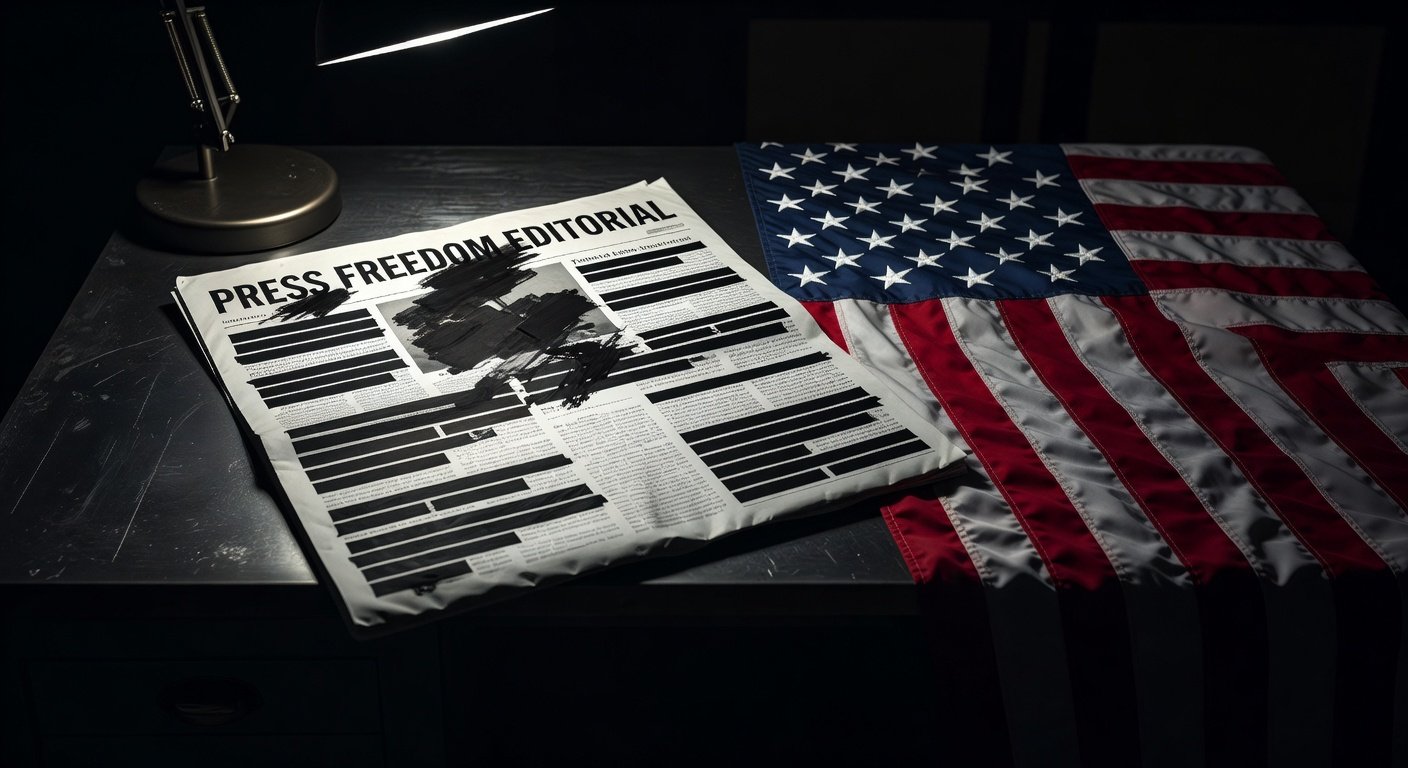
The Pentagon has issued a sweeping “modernization plan” for *Stars and Stripes*, the historic military newspaper, imposing strict content restrictions just weeks after its top spokesman branded the publication’s coverage as “woke distractions.”[1][2] Dated March 9, 2026, and effective immediately, the eight-page memo expands Defense Department oversight while claiming to preserve editorial independence, sparking alarm among journalists and press freedom advocates.[1][2]
## Background: From Civil War Legacy to Modern Tensions
*Stars and Stripes* traces its roots to Union troops during the Civil War and has published continuously since World War II, serving U.S. service members overseas with print editions, a U.S. weekly, and growing digital platforms.[1] It reaches combat zones, troops stateside, and veterans, enjoying bipartisan congressional support despite past closure threats.[1][2] In 2020, even President Trump praised it as “a wonderful source of information to our Great Military” after intervening to prevent a shutdown.[2]
Tensions escalated in January 2026 when Pentagon chief spokesman Sean Parnell posted on X (formerly Twitter) that the Defense Department would “refocus” *Stars and Stripes* “from woke distractions that syphon morale.”[1][2][3] Parnell later clarified the goal: returning it to its “original mission: an independent news source for service members stationed overseas that is by the warfighter and for the warfighter.”[1][2] This followed the Pentagon’s withdrawal of a federal regulation mandating independent journalism under First Amendment principles, a congressional safeguard.[1][2]
## Key Restrictions in the Modernization Memo
The memo, discovered by *Stars and Stripes* staff on a DOD website after its release to Pentagon leaders and combatant commanders, introduces barriers without input from the newspaper’s leadership.[1][2] Publisher Max Lederer confirmed no prior contact from the Pentagon, despite his outreach.[1]
Content rules mandate that all material be “consistent with good order and discipline”—language from the Uniform Code of Military Justice—potentially censoring stories deemed disruptive.[1][2] It prohibits wire service content from outlets like the Associated Press or Reuters, syndicated features such as comics, and “controlled unclassified information.”[1][2] Reporters are barred from filing Freedom of Information Act (FOIA) requests in an official capacity.[1]
Operationally, the plan shifts to digital-first from print, employs more uniformed staff (often public relations-trained) over civilians outside the continental U.S., and creates an advisory board of DOD personnel.[1] The public affairs office gains oversight beyond prior administrative roles, and the ombudsman must route congressional reports through the DOD first.[1][2]
Editor in Chief Erik Slavin expressed “deep concern” for staff and readers, noting the memo restricts news sources and pushes “official public relations stories.”[2] *Stars and Stripes* had already modernized digitally, boosting pageviews, engagement, and subscribers—changes the Pentagon seemed unaware of.[1]
## Impact on Coverage and Military Readers
These curbs could severely limit *Stars and Stripes*’ reach. Without wire services, it may struggle to cover breaking events like the new war in Iran or combat zones lacking on-site journalists.[2] Everyday staples—March Madness basketball, major sports, or comics—vanish, narrowing appeal to troops.[2] Slavin highlighted the need for “other sources of information” to “round out our coverage.”[2]
The staffed model, blending mentored service members with civilians, faces overhaul toward more uniformed personnel, raising impartiality questions.[1]
## Backlash from Press Advocates and Congress
Press freedom groups decried the moves. PEN America’s Timothy Richardson called it a “threat to the First Amendment” and the independence Congress guaranteed, shifting content authority to the Pentagon.[1] PEN and five others urged Congress last month to protect *Stars and Stripes*.[1]
Slavin vowed adherence to constitutional freedoms, but staff met March 17 to plan compliance amid uncertainty.[2][3] Parnell provided no details on coordination or evaluations behind the memo.[1]
## Broader Context Under Trump and Hegseth
Defense Secretary Pete Hegseth and the Trump administration have targeted media control, echoing last year’s Pentagon pledge demand that ousted dozens of reporters.[1][2] This fits a pattern: withdrawing the independence regulation and now formalizing limits.[1][2]
Parnell framed changes as “efficiency measures” adapting to digital trends and younger service members’ media habits.[1][2] Yet critics see it as undermining a vital, independent voice for the military community.[1][3]
## What’s Next for Stars and Stripes?
As *Stars and Stripes* navigates implementation, its future hinges on congressional response and legal challenges. Veterans and bipartisan lawmakers have historically rallied to save it.[1][2] The memo affirms “independence of the military chain of command,” but omits First Amendment references, fueling debate over its true intent.[1]
For service members, the shift promises a “warfighter”-focused outlet but risks a sanitized feed, stripping diverse, timely news.[2] Whether this “modernization” revitalizes or stifles the 180-year-old institution remains unclear.
(Word count: 812)
Original source: NPR News – Pentagon tightens controls over Stars and Stripes after calling it “woke”