Full HTML article body
The AI landscape shifted dramatically this week. Google claimed a significant milestone with its Gemini 2.5 Pro, achieving an impressive 82.4% on the GPQA Diamond benchmark. This advancement is not just a number; it signifies a leap in AI capabilities, particularly in brain-to-text technologies and photonic computing. The implications of these breakthroughs are vast, potentially reshaping industries and enhancing human-computer interaction.
Gemini 2.5 Pro’s performance is a testament to Google’s relentless pursuit of innovation. The model’s architecture integrates advanced neural networks that mimic human cognitive processes, allowing for more nuanced understanding and generation of text. This is particularly evident in applications ranging from automated content creation to sophisticated conversational agents.
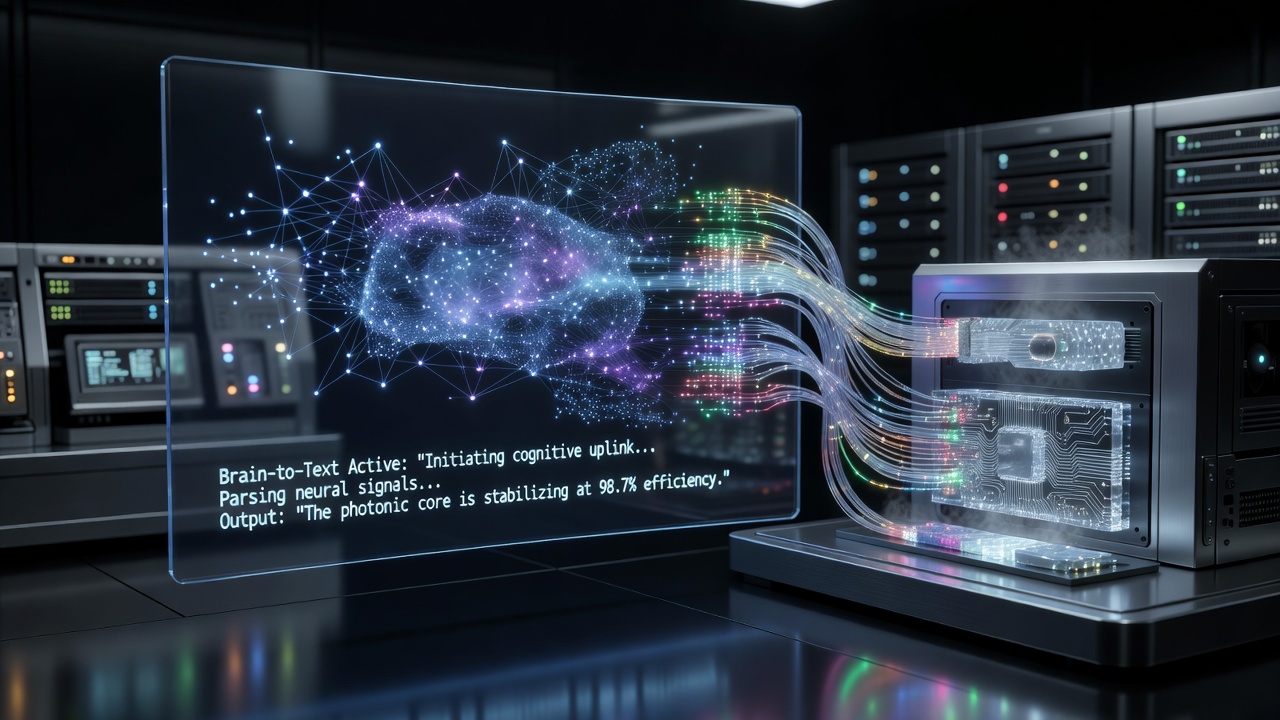
Moreover, the introduction of photonic computing represents a paradigm shift. By utilizing light instead of electrical signals, Google aims to enhance processing speeds and reduce energy consumption, addressing two critical challenges in AI development. This technology could pave the way for more efficient data centers and faster AI computations.
As we delve deeper into the week’s developments, it’s clear that the intersection of AI and quantum computing is becoming increasingly relevant. Google’s advancements in these areas not only highlight the company’s leadership in the tech space but also set the stage for future innovations that could redefine our interaction with technology.