Full HTML article body
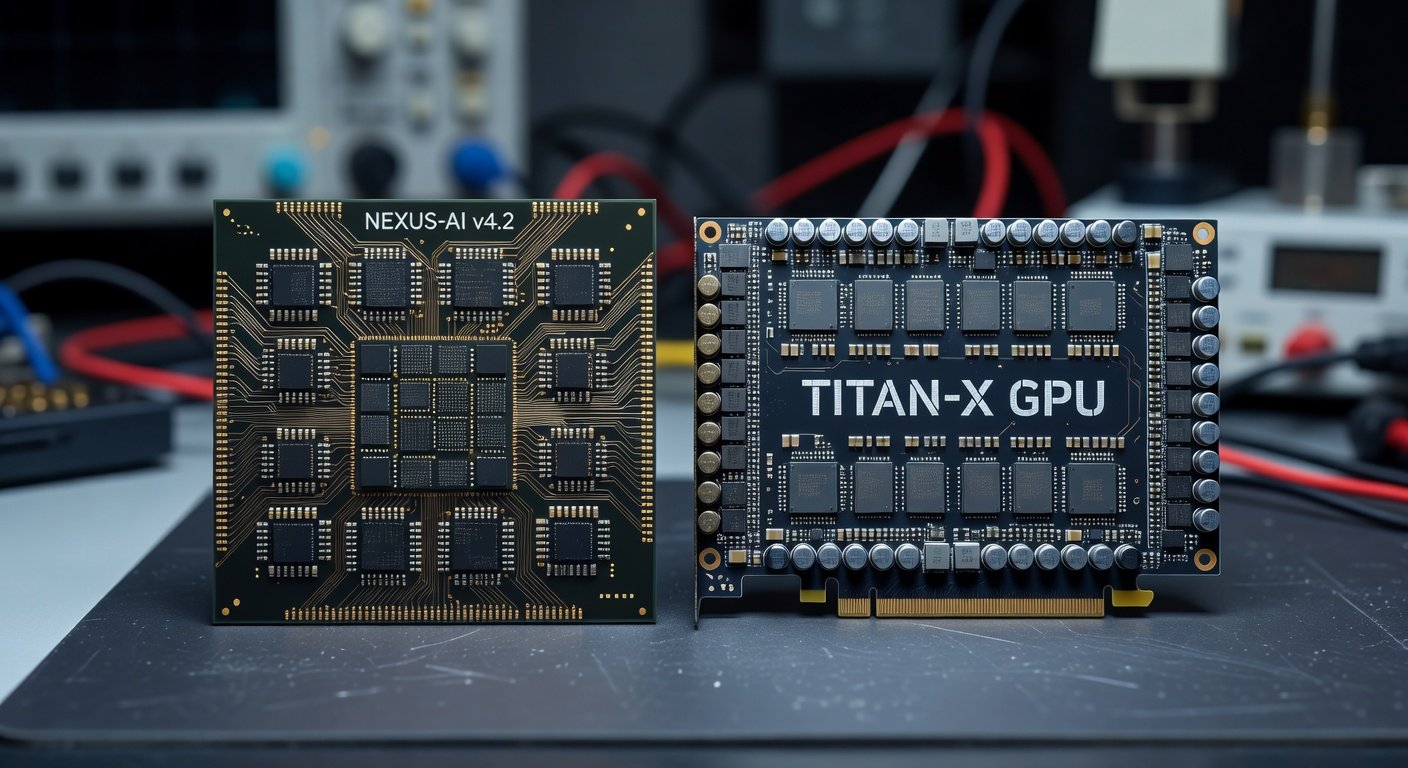
Numbers are clear: custom AIs chips are on track to grow 44.6% in 2026, outputting tractional GPUs, which are projected to expand at a more modest 16.1%. This shift in the semiconductor landscape is not a subtle trend but rather a structural realignment that will reshape how enterprises build, deploy, and scale AI workloads. Combine that with a new wave of open AI models like Google’s Gemini 4 and NVIDIA’s NeMo3, and the picture becomes even sharper: the AI infrastructure stack is being rebuilt from the silicon up.
The ASIC Surge: Why Custom Chips Are Winning the AI Hardware Race
Application-Specific Integrated Circuits (ASICs) are not new. But their accelerated adoption in 2026 reflects a maturing AI industry. As organizations move beyond traditional computing paradigms, the demand for specialized hardware that can efficiently handle AI workloads is surging. This is particularly evident in sectors like cloud computing, where the need for optimized performance is paramount.
Custom AI chips, designed specifically for machine learning tasks, are proving to be more efficient than general-purpose GPUs. This efficiency translates into lower operational costs and faster processing times, making them an attractive option for businesses looking to leverage AI technologies.
In conclusion, the rise of custom AI chips signifies a pivotal moment in the tech industry. As we move towards 2026, the implications of this shift will be felt across various sectors, from cloud computing to robotics, fundamentally altering how we approach AI development and deployment.