# Can the Creator Economy Stay Afloat in a Flood of AI Slop?
The creator economy, projected to reach $480 billion by 2027, faces an existential challenge from generative AI flooding platforms with low-quality “slop,” threatening billions in revenue while creators pivot to owned income streams and AI tools for survival.[1][3]
## The AI Deluge: A Growing Threat to Authenticity and Earnings
As of 2026, AI-generated content has saturated digital spaces, making it harder for human creators to stand out. A UNESCO report reveals that 79% of cultural professionals view AI as a threat, with projections estimating €4 billion in annual music revenue losses and €4.5 billion for audio-visual creators by 2028 due to unlicensed training data and task automation.[3] TechCrunch experts warn of an “intense” flood of AI content, complicating monetization for established creators and erecting barriers for newcomers seeking breakout success.[4]
This “AI slop”—generic, algorithm-optimized output—dilutes platform discoverability. Winner-takes-all dynamics on dominant streaming services exacerbate the issue, as network effects favor big players and bury emerging talent.[3] Surveys show 61% of marketers and 55% of creators see AI as a direct economic peril.[6] Digital services now comprise 35% of global creator income, up from 17% in 2018, but platform opacity and regulatory gaps leave many exposed.[3]
## Adaptation Through AI: Tool, Not Terminator
Yet, not all see doom. AI is evolving from foe to ally, powering sustainable growth amid saturation. Stan Store’s 2026 trends predict AI enabling “limitless creative bounds,” helping creators scale without burnout—especially vital as the field demands “fierce consistency and grit.”[2] Deloitte Digital highlights AI’s role in letting creators “fail fast,” amplifying technology, data, and creativity as marketing accelerators.[5]
Platforms like CreationDose’s Vidoser exemplify balanced integration, using AI for influencer-brand collaborations in content production and campaigns while stressing transparency, data protection, and intellectual property respect.[1] The key challenge: preserving “humanity” amid automation. As one executive notes, AI optimizes production, but authenticity—rooted in real people—remains irreplaceable.[1]
## 2026 Trends: Creators as Entrepreneurs Fighting Back
Creators are responding by blurring lines between content and commerce. Stan Store forecasts “Creator and Entrepreneur” becoming synonymous, with many launching owned businesses over volatile platform payouts or brand deals.[2] Diversified streams like digital downloads, courses, memberships, and paid communities are surging as antidotes to algorithm whims.[2][3]
Investment within the ecosystem is booming. High-profile creators like Sofia Richie Grainge back ShopMy for creator commerce, while Alex Cooper’s Unwell Network funds podcasts and influencers.[2] Brands are hiring creators in-house—e.g., Vivian Tu as SoFi’s Chief of Financial Empowerment—to forge authentic, long-term ties that resonate with skeptical audiences.[2]
Public policy lags: Global cultural spending hovers below 0.6% of GDP, with digital literacy programs growing to 63% of countries but IP enforcement weak in many regions.[3] High non-standard employment leaves creators vulnerable without pensions or sick leave.[3]
| Challenge | Opportunity | Projected Impact |
|———–|————-|—————–|
| **AI Slop Flood** | AI-powered tools for efficiency[2][5] | Harder breakout for newbies; established adapt[4] |
| **Revenue Volatility** | Owned streams (courses, memberships)[2] | Shift from 35% digital reliance[3] |
| **Platform Dominance** | In-house brand roles, investments[2] | Diversified, controlled income |
| **Regulatory Gaps** | Calls for IP transparency[1][3] | €8.5B potential losses by 2028[3] |
## The Path Forward: Human Edge in an AI World
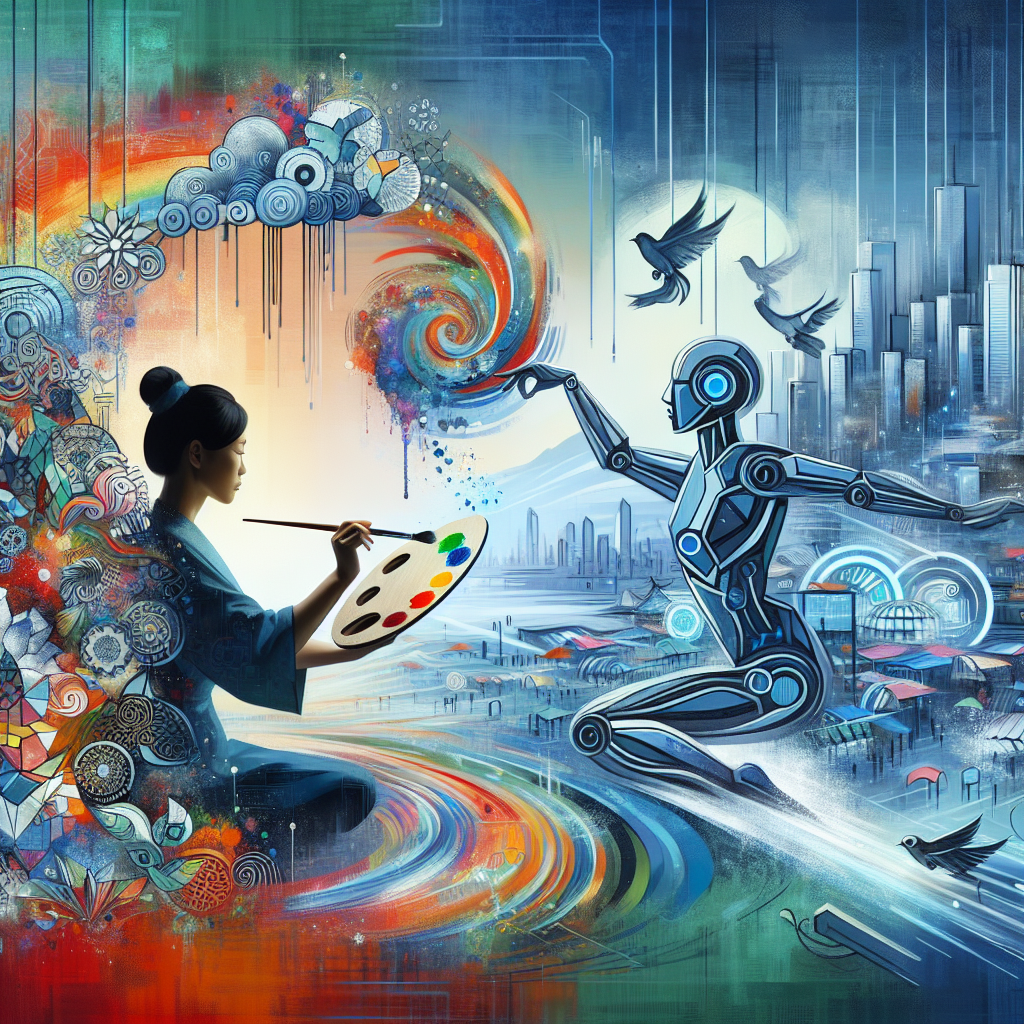
Can the creator economy stay afloat? Yes, but only through strategic pivots. Saturation demands **differentiation**: Human stories, niche expertise, and live events that AI can’t replicate. Creators investing in their ecosystem and brands embedding them deeply signal resilience.[2]
AI won’t erase creators; it will redefine them. Those embracing it as a “safety net” for innovation—while owning their audiences—will thrive.[5] UNESCO urges better data transparency and collective management organizations to protect earnings.[3] As Goldman Sachs foresaw, the economy’s scale offers buoyancy, but balance is non-negotiable: Scale with AI, but anchor in authenticity.[1]
Ultimately, the flood tests adaptability. Top creators are already sailing owned waters, turning threats into tailwinds. The slop may rise, but quality floats.
(Word count: 812)
Original source: TechCrunch – Can the creator economy stay afloat in a flood of AI slop?