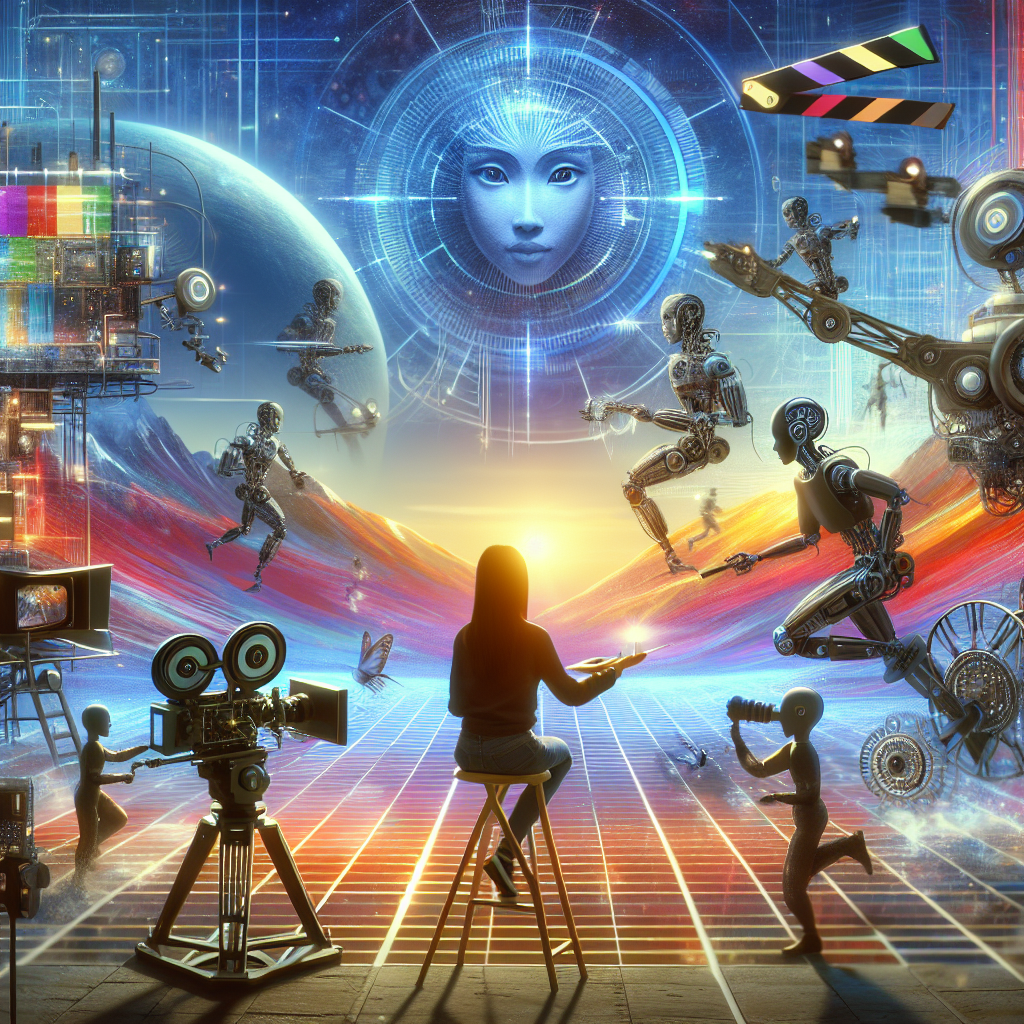
# AI’s Promise to Indie Filmmakers: Faster, Cheaper, Lonelier
In 2026, **AI tools** like Runway Gen-4, Google Veo, and Adobe Firefly are handing independent filmmakers unprecedented power to create professional-grade films at a fraction of the time and cost of traditional methods.[1][2][3] Yet this revolution comes with a hidden cost: the isolation of solo creation, stripping away the collaborative magic that defines indie cinema.[1][2]
## The Speed Boost: From Months to Weeks
Gone are the days when indie projects languished in post-production hell. AI now slashes timelines dramatically. An Austin filmmaker crafted a 7-minute short in just three weeks using AI-generated video—a task that once demanded 3-4 months and ten times the budget.[1] Post-production shrinks by **30%** as tools automate color correction, scene stabilization, and rough cuts, letting creators focus on story.[1]
Hollywood editors quietly integrate AI via Adobe Premiere Pro’s Sensei and DaVinci Resolve’s Neural Engine, which analyze footage for emotional beats and narrative flow.[1] Indie creators access the same: Runway Gen-4 ensures character consistency across scenes, while Google Veo syncs audio and Sora 2 simulates realistic physics.[1] Script analysis tools dissect screenplays in seconds, spotting characters, props, and themes to streamline pre-production.[1]
Real-world wins abound. Brad Tangonan’s 2025 short *Murmuray*—a haunting forest confrontation born from family memory—leveraged Google’s Veo and Gemini for misty visuals without studio budgets.[2] At Sundance, Momo Wang’s animated dramedy and Taryn O’Neill’s hybrid drama used Adobe Firefly for moodboards, flexible shoots, and polish, proving small teams can rival big productions.[3]
## Cost Cuts: Democratizing the Dream
**Production costs drop by up to 30%**, with AI handling VFX, environments, and assets once reserved for deep-pocketed studios.[1] Indies like Keenan MacWilliam fed personal scans into custom AI apps for *Mimesis*, a psychedelic meditation extending her visual style sans crews.[2] Tools from OpenAI, Luma AI, and Midjourney Video generate stylized sequences, ElevenLabs crafts voices, and Cinetech links scripts to budgets.[1][2]
This levels the field. No more begging investors for sets or actors; AI conjures worlds on demand. Directors tweak scenes live, bypassing render queues.[1] McKinsey notes generative AI reinvents workflows across film and TV, optimizing every stage.[5] For indies, it’s liberation: experiment with shots pre-production, fine-tune for audiences via AI audience predictions.[1]
## The Loneliness Trap: When Faster Means Alone
But speed and savings breed solitude. Traditional filmmaking thrives on collaboration—writers hashing ideas, actors improvising, editors debating cuts. AI flips this: one person, one laptop.[2] “Efficiency is not the best friend of creativity,” warns MacWilliam, fearing speed dictates art over intent.[2]
Studios eye AI to axe roles—actors, designers, techs—for cost-cutting, risking “AI slop” floods of homogenized content.[2] Indies face the same isolation amplified. No shared war stories on set; just prompts and iterations. Hollywood editors become “creative partners” with AI, but humans fade.[1] Seedance 2.0 threatens to extinct traditional Hollywood entirely, pushing solos further.[4]
Ethical shadows loom: synthetic media blurs reality, demanding transparency in docs.[1] Over-reliance erodes skills; learning AI is now essential, yet it supplants human bonds.[1] Predictions for 2026 foresee backlash—a craving for handcrafted stop-motion amid AI deluge.[6] Sundance Institute pushes community-led AI education to counter this, fostering ecosystems over lone wolves.[7]
## Balancing Act: AI as Ally, Not Orphan Maker
Indies must wield AI wisely. Tangonan paired scripts with AI for tactile desaturation; Wang and O’Neill blended traditional craft with generative flows.[2][3] The future favors hybrids: tech accelerates, humans infuse soul.[1]
Yet loneliness persists. Forums buzz with creators missing crews’ energy. As AI masters continuity and polish, the indie ethos—raw, communal—risks dilution. Faster, cheaper? Yes. But at what human price?
Master both worlds: traditional heart, AI muscle. Communities like Sundance’s AI initiatives offer paths forward.[7] Indies, embrace the tools, but don’t let them echo in empty rooms. Film is collaboration incarnate; AI promises efficiency, but only we deliver connection.
(Word count: 812)
Original source: TechCrunch – AI’s promise to indie filmmakers: Faster, cheaper, lonelier