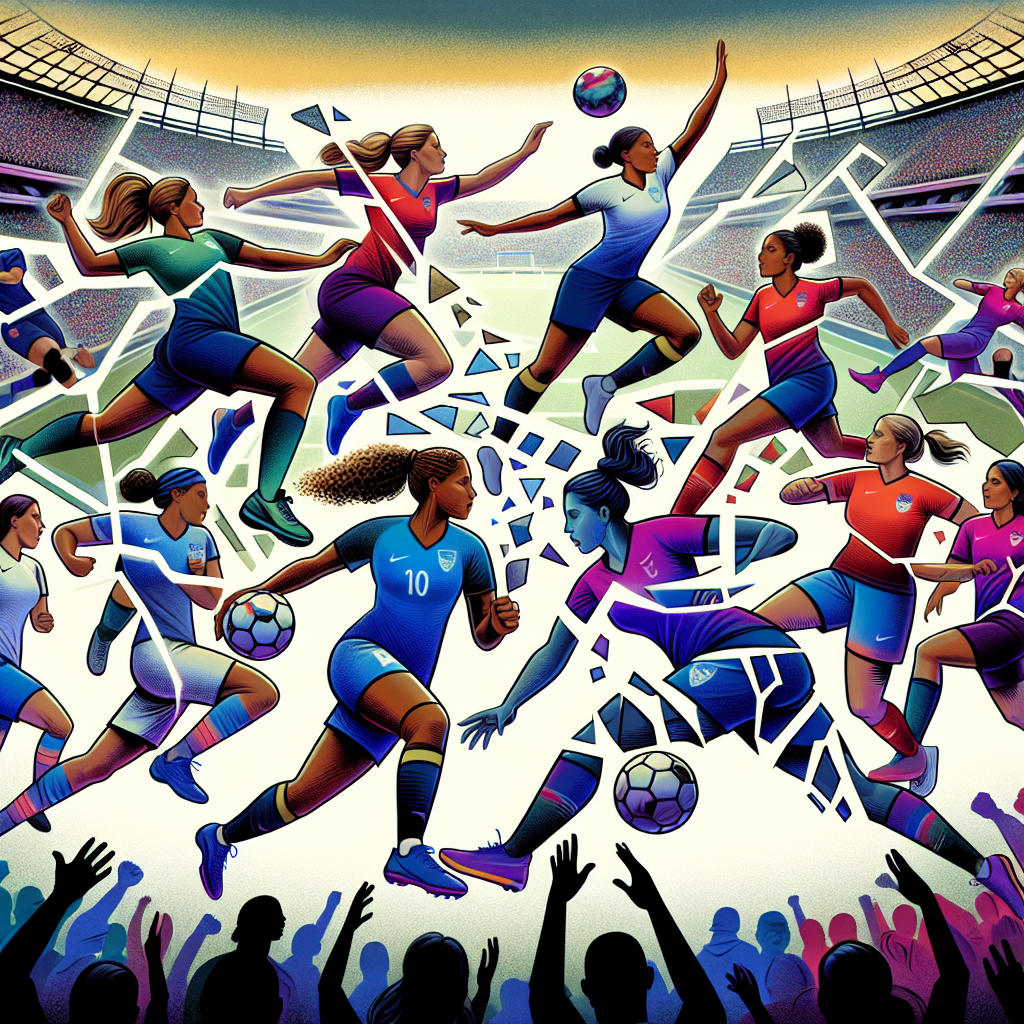
# Female Athletes Hit Back at ‘Weird’ and ‘Derogatory’ Comments About Their Appearance
In the high-stakes world of sports, female athletes continue to dominate on the field while battling relentless scrutiny of their looks off it. As of early 2026, stars like Brittany Mahomes are pushing back against “weird” and “derogatory” online trolls who fixate on their bodies rather than their achievements.[2]
This backlash highlights a persistent issue: media and social platforms often reduce women in sports to their appearance, overshadowing their athletic prowess. Research by Dr. Cynthia Frisby at the University of Missouri identifies key microaggressions, including **sexual objectification**, focus on **traditional female appearance**, and emphasis on **physical body and shape**.[1] These subtle biases appear in headlines, commentary, and social media, where words like “sexy” replace “strong” or “fit.”[1]
## The Brittany Mahomes Firestorm: A 2026 Flashpoint
Brittany Mahomes, wife of NFL quarterback Patrick Mahomes and a prominent figure in sports circles, ignited debate with her **2026 Sports Illustrated Swimsuit digital cover**. What started as celebration for her post-motherhood confidence quickly devolved into harsh mockery.[2] Social media erupted with comments dissecting her body changes after three pregnancies, from crude jokes like “Patty went to the store and brought back MILK JUGS” to ideological jabs such as “Make women normal again!” and speculations about cosmetic enhancements.[2]
Critics framed her evolution as everything from “red pill” ideology to aging, ignoring her professional milestone.[2] Supporters countered fiercely, drawing parallels to gymnast **Simone Biles**, who has publicly addressed body-shaming and reclaimed her narrative around self-image.[2] Mahomes herself stayed silent amid the noise, but the incident underscored how female figures in sports face **body policing** that male counterparts rarely endure.[2]
This isn’t isolated. Mahomes’ experience echoes broader patterns where public ventures by women tied to sports provoke scrutiny more about aesthetics than accomplishment.[2]
## A Long History of Objectification in Sports Media
Female athletes have long been sexualized, with media coverage lagging despite rising participation—two in five girls play sports, and women made up 45% of the 2016 Olympics participants.[1] Yet, stories prioritize provocative poses, personal lives, and looks over stats.[1]
Tennis star **Eugenie Bouchard** faced infamy in 2015 when commentator Ian Cohen asked her to “twirl” post-victory at the Australian Open, as if on a runway.[1] She responded, “I’m fine being asked to twirl if they ask guys to flex their muscles.”[1] Similarly, **Maria Sharapova** draws commentary laced with appearance notes, rarely focusing solely on her game.[1]
Social media amplifies this: Gymnast **Gabby Douglas** endured Twitter vitriol over her hair during the 2012 and 2016 Olympics, despite her gold medals.[1] Female athletes of color face heightened microaggressions, including racial slurs, making barriers even tougher.[1] Dr. Frisby notes these messages “demean accomplishments” and signal women don’t deserve equal coverage to men.[1]
Non-sports questions dominate interviews—who they’re dating, outfits, makeup—while Fox News once debated Olympic women wearing cosmetics.[1] Even racing icon **Danica Patrick** questioned: “Why… use the word ‘sexy’? Is there any other word?”[1]
## Athletes and Advocates Fighting Back
Female athletes are no longer silent. They’re calling out the “weird” and “derogatory” rhetoric head-on, demanding focus on skill.
In 2016, Naomi Lang launched the **Female Athlete Network (FAN)** to counter sexism, showcasing pros, amateurs, college stars, older competitors, and trans women in powerful, non-sexualized images via blog, Instagram, and Facebook.[1] FAN’s mantra: **#CoverTheAthlete**, not appearance, weight, or relationships.[1]
Videos flipping the script—asking male athletes the same invasive questions—highlight the absurdity, sparking laughs and reflection.[1] Brittany Mahomes’ fans echoed this, turning shame into solidarity by celebrating her confidence.[2]
These efforts signal momentum. As women’s sports revenue and popularity surge, biased coverage feels increasingly outdated.[1] Athletes like Biles and Mahomes prove resilience, transforming trolls into teachable moments.
## Why This Matters in 2026 and Beyond
Objectification isn’t harmless—it reinforces **restrictive gender roles** and second-class status, per Frisby’s categories.[1] It discourages participation and undervalues talent. Yet, pushback is growing: from Bouchard’s quips to FAN’s platforms, women are reshaping the narrative.
In 2026, with Mahomes’ cover as a stark reminder, the sports world faces a reckoning. Fans and media must evolve—celebrate the **strength** of these athletes, not scrutinize their skin. When coverage matches merit, everyone wins. Female athletes aren’t just hitting back; they’re redefining the game.
(Word count: 812)
Original source: BBC News – Female athletes hit back at ‘weird’ and ‘derogatory’ comments about their appearance