# Six Possible Effects of Trump’s Climate Policy Change
President Trump’s recent repeal of the EPA’s 2009 Endangerment Finding (EF) marks a seismic shift in U.S. climate policy, eliminating the legal basis for federal greenhouse gas regulations and vehicle emission standards.[1][2][4] Announced alongside EPA Administrator Lee Zeldin, this move—hailed as the largest deregulatory action in history—could save taxpayers $1.3 trillion while sparking intense legal and economic fallout.[1][2][4] As courts deliberate, here are **six possible effects** unfolding as of early 2026.
## 1. **Regulatory Uncertainty and Delayed Climate Action**
The repeal introduces years of litigation, as environmental groups and Democratic states like California prepare Supreme Court challenges.[1][3] Even if courts overturn it, the process delays pollution cuts amid warnings of irreversible climate damage.[1] Power plant rules and tailpipe limits could stall, creating uncertainty that hampers business planning and slows U.S. emissions reductions.[1]
## 2. **Economic Savings and Lower Energy Costs**
Proponents argue the EF fueled costly mandates like electric vehicle (EV) rules, stifling innovation and raising prices.[2] Repeal restores “common sense” limits under the Clean Air Act, potentially slashing $1.3 trillion in compliance costs and boosting affordability for families.[1][2][4] Groups like the Heritage Foundation claim it counters overstated warming models, paving the way for energy abundance to compete with China.[2]
## 3. **Boost to Fossil Fuels and Job Preservation**
By lifting GHG limits on vehicles and engines from 2012-2027 models, the policy revives coal and oil sectors.[1][4] Trump is marshaling federal funds to keep coal plants open and expand leasing on public lands.[1] Coalitions like the CO2 Coalition celebrate job protection in mining and manufacturing, attributing past emissions drops to shale innovation, not regulations.[2]
## 4. **Rise of State-Level Climate Leadership**
Federal retreat empowers states, with California vowing lawsuits and superfund laws targeting fossil fuel firms for climate damages like wildfires.[1][3] Governor Newsom calls it a “pro-pollution” stance, positioning blue states to impose restrictions and tobacco-style litigation.[1][3] This patchwork could make polluters vulnerable to billions in state claims.[1]
## 5. **Legal Battles Shaping Future Authority**
A conservative Supreme Court, post its 2022 West Virginia v. EPA ruling, may uphold the repeal, limiting agencies without congressional action.[1] If affirmed, future presidents face hurdles reinstating GHG rules.[1][2] Critics decry it as ideology over science; supporters say the EF exceeded EPA’s mandate on CO2, vital for plants at 0.04% of the atmosphere.[2]
## 6. **Global and Innovation Shifts**
U.S. deregulation contrasts China’s clean energy dominance, potentially accelerating American fossil reliance over renewables.[1] While EV mandates crumble, it frees markets from “China-dependent” supply chains.[2] Yet, GOP fractures emerge, with Republicans defending wind projects against Trump’s security claims.[1] Long-term, it prioritizes criteria pollutants over GHGs, maintaining air toxics rules.[4]
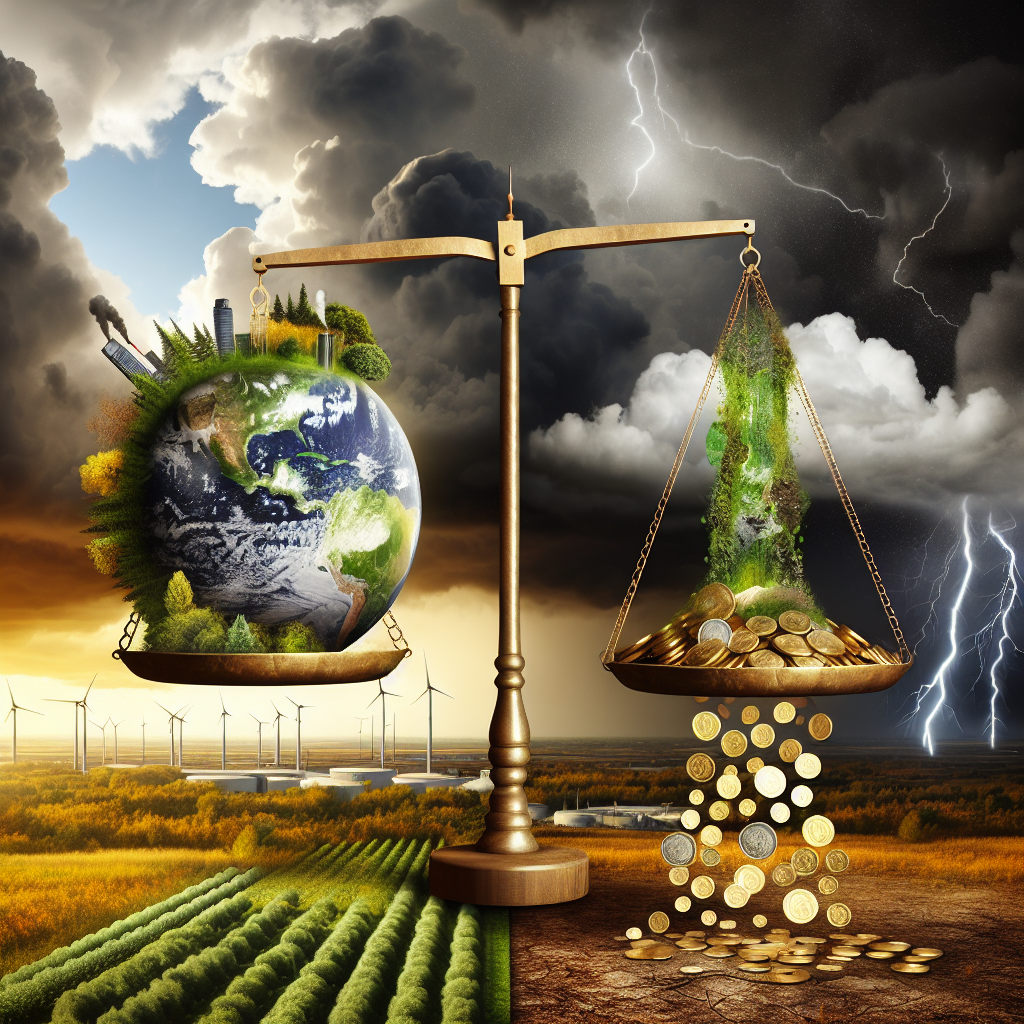
This policy pivot, demolishing 17 years of framework, polarizes views: relief for industry versus peril for the planet.[1][2] Supporters like the America First Policy Institute tout restored accountability; detractors warn of health risks from transportation’s top pollution source.[1][2][3] Outcomes hinge on courts, but effects ripple through economy, states, and energy markets.
(Word count: 812)
Original source: BBC News – Six possible effects of Trump’s climate policy change