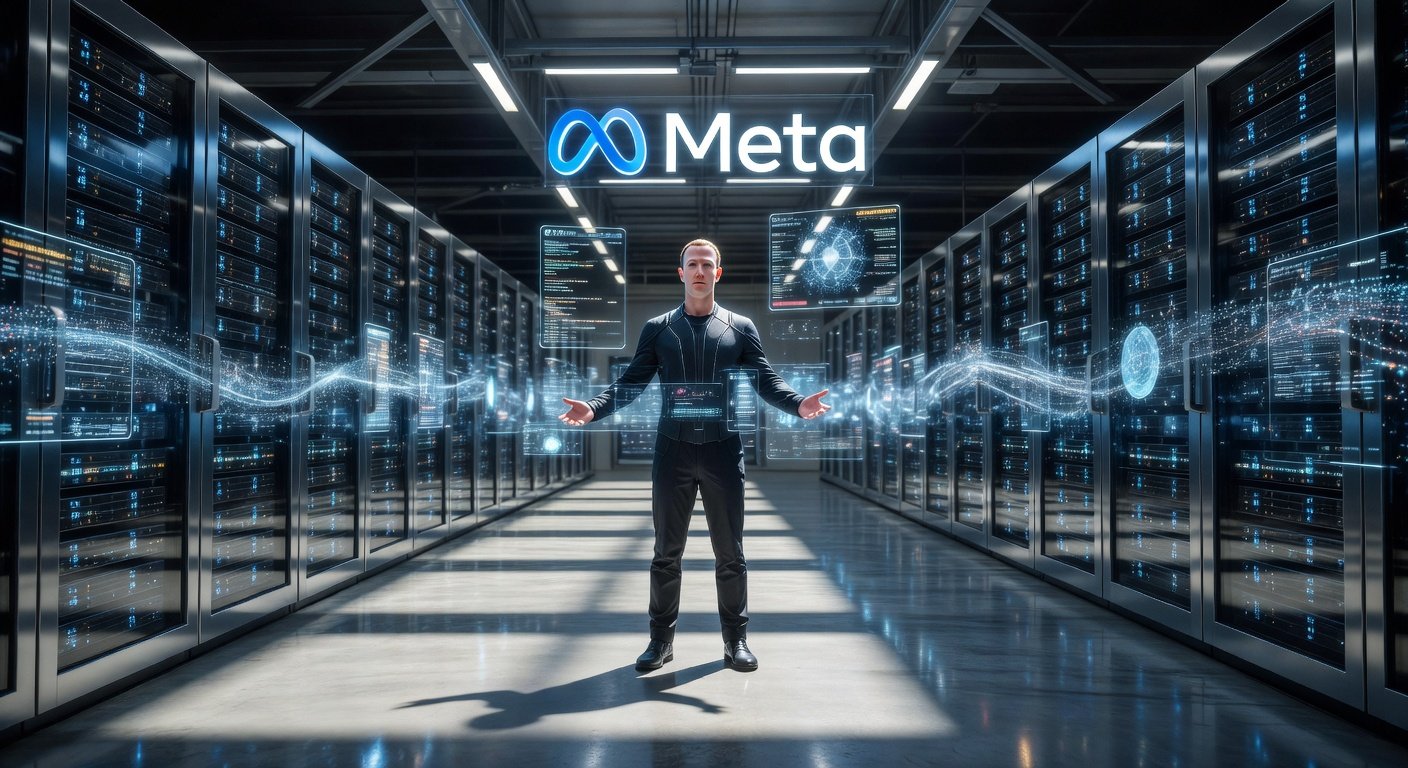
In a bold move that’s sending shockwaves through the tech industry, Meta has unveiled plans to invest up to $135 billion in AI development throughout 2026—nearly doubling its previous year’s spending of $72 billion. This massive commitment, announced during Meta’s recent earnings call, positions the company for what CEO Mark Zuckerberg calls a “major AI acceleration” in the race toward personal superintelligence.
Record-Breaking Investment in AI Infrastructure
The scale of Meta’s investment is unprecedented, even by Big Tech standards. According to [fortune.com](https://fortune.com/2026/01/28/meta-q4-earnings-beat-mark-zuckerberg-ai-acceleration/), the company delivered strong Q4 2025 results with $59.89 billion in revenue, exceeding analyst expectations. This financial performance has emboldened Meta to make its most aggressive AI push yet, focusing primarily on infrastructure costs and top AI talent acquisition.
“I expect our first models will be good, but more importantly, they will show the rapid trajectory that we’re on,” Zuckerberg stated during the earnings call, highlighting the company’s commitment to pushing the AI frontier throughout 2026.
The Race for Personal Superintelligence
Meta’s vision extends beyond conventional AI applications. The company is pursuing what it calls “personal superintelligence”—AI systems that understand individual user contexts, including personal history, interests, and relationships. This initiative comes after Meta fell behind competitors like Google, OpenAI, and Anthropic in leading AI models during 2025.
To spearhead this transformation, Meta has established its Superintelligence Labs, led by former Scale CEO Alexandr Wang, marking a significant restructuring of its AI program. The company is also working on integrating large language models with its recommendation systems across Facebook, Instagram, and Threads platforms.
Industry Implications and Market Response
The announcement has triggered a broader industry response, with [bbc.com](https://www.bbc.com/news/articles/cn8jkyk78gno) reporting that Meta’s shares rose 6.5% in extended trading. However, this massive spending plan comes amid growing concerns about an AI bubble and potential workforce implications.
- Global AI-related spending is projected to reach $2.52 trillion in 2026
- Google has announced even larger capital expenditures of $175-185 billion
- An estimated 11.7% of jobs could be automated using current AI technology
Looking Ahead: The Future of Personal AI
Meta’s investment strategy signals a transformative period in tech history. While the company faces challenges, including potential workforce restructuring and energy sustainability concerns, Zuckerberg remains confident in AI’s potential to reshape how we interact with technology.
“2026 will be the year that AI dramatically changes the way we work,” Zuckerberg predicted, setting the stage for what could be the most significant technological leap since the advent of mobile computing.
The Bottom Line: Meta’s unprecedented AI investment represents more than just a corporate spending plan—it’s a decisive bet on AI becoming the next major computing platform. As the company races to catch up with competitors, the success of this massive gamble could determine not just Meta’s future, but the trajectory of personal AI development for years to come.