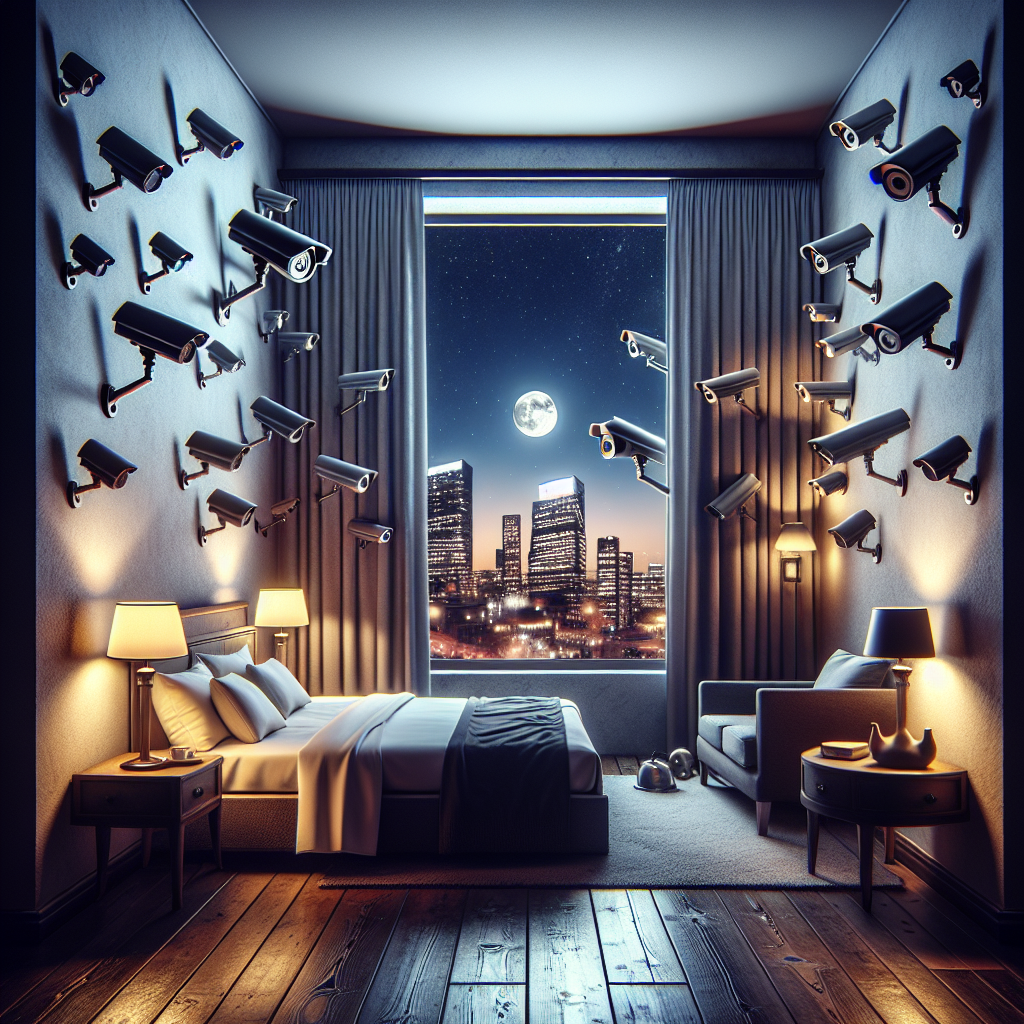
# We Had Sex in a Chinese Hotel, Then Found We Had Been Broadcast to Thousands
Imagine checking into a cozy hotel room for a romantic getaway, only to discover weeks later that your most intimate moments were secretly filmed and streamed to thousands of strangers online. This nightmare became reality for Eric, a Hong Kong resident, and his girlfriend during a 2023 stay in Shenzhen, China.[1][2] Their story, uncovered by a BBC investigation, exposes a chilling underground network of **spy-cam pornography** thriving despite China’s strict bans on such content.[1]
## The Shocking Discovery
Eric, now in his 30s, stumbled upon the horror while browsing a Telegram channel he knew from his teenage years, drawn to its “rawness” compared to staged porn.[2] “What drew me in is the fact that the people don’t know they’re being filmed,” he told the BBC, unaware he’d soon become a victim himself.[2] Scrolling casually, he froze: the video showed him and his partner—pseudonym Emily—entering their Shenzhen hotel room with luggage, unpacking, and then engaging in sex.[1][2]
The footage captured every detail, from the key card activating the room’s electricity to their private activities on the bed. It had been uploaded to paying subscribers, part of a black market where agents charge around **450 yuan ($65)** monthly for livestream access to hidden hotel cameras.[1][2] Eric’s channel alone had up to 10,000 members, with archives holding over **6,000 videos** dating back to 2017.[1]
Breaking the news to Emily was devastating. She initially thought it was a joke, but viewing the clip herself shattered that illusion. Fearing recognition by friends or colleagues, she ended the relationship to process the trauma.[2] Victims like them now avoid hotels and public life, haunted by the psychological toll.[1]
## Unmasking the Spy-Cam Network
A BBC World Service probe over 18 months revealed a sprawling operation: six Telegram-promoted platforms claiming over **180 spy cameras** in hotels, many livestreaming in real-time.[1] Monitoring one site for seven months uncovered footage from 54 cameras, implying thousands of unwitting guests recorded.[1]
Cameras are expertly concealed— one in Zhengzhou hid inside a wall ventilation unit, aimed at the bed, evading even commercial detectors.[1] Agents like “AKA” manage feeds that activate instantly when guests power up the room, broadcasting to eager viewers who chat and judge the unaware couples.[1]
This **spy-cam porn** industry has persisted for over a decade in China, where producing or distributing pornography is illegal.[1][2] Cases have surged recently, sparking public outrage, especially among women sharing detection tips on social media.[1] Sexual safety groups highlight hiding spots like clocks, smoke alarms, and outlets.[2]
## Government Response and Lingering Gaps
China cracked down last **April 2025**, mandating hotels to inspect rooms regularly for hidden devices.[1][2] Yet enforcement lags; the BBC traced active cameras post-regulation.[1] Advocacy is growing—Hong Kong NGO RainLily, via counselor Blue Li, helps victims scrub footage online, with demand at record highs.[2]
Li stresses tech giants’ role: “We believe tech companies share the huge responsibility… their policies shape how the content would be spread.”[2] Telegram insists it bans non-consensual porn, proactively moderates, and removes millions of harmful items daily via reports.[2] Still, channels evade quick takedowns, frustrating victims.[1]
## Broader Implications for Travelers
Eric’s tale isn’t isolated. The BBC’s findings suggest a vast, hidden epidemic affecting countless visitors.[1] Travelers now adopt precautions: scanning rooms with phone flashlights for lens glints, unplugging suspicious devices, or using portable detectors—though sophisticated cams dodge them.[1]
For couples or solo guests in China, this underscores **digital privacy’s fragility**. What feels like a safe haven can become a stage for voyeurs profiting off violation. Women, in particular, voice fears online, turning spy-cam horror into a rallying cry.[1]
## Protecting Yourself: Practical Steps
– **Inspect thoroughly**: Check vents, clocks, TVs, and outlets. Use a flashlight at night for reflections.[1][2]
– **Tech aids**: Apps or RF detectors sense wireless signals; test before bed.[1]
– **Power play**: Avoid inserting key cards if possible, or cover potential cams with tape.[2]
– **Report fast**: If spotted, alert hotel management and platforms like Telegram immediately.[2]
– **Seek support**: NGOs like RainLily offer removal services and counseling.[2]
This scandal demands more than regulations—it calls for global tech accountability and traveler vigilance. Eric’s story warns: in 2026, intimacy anywhere requires wariness. Your private moment could be tomorrow’s viral stream.
(Word count: 812)
Original source: BBC News – We had sex in a Chinese hotel, then found we had been broadcast to thousands