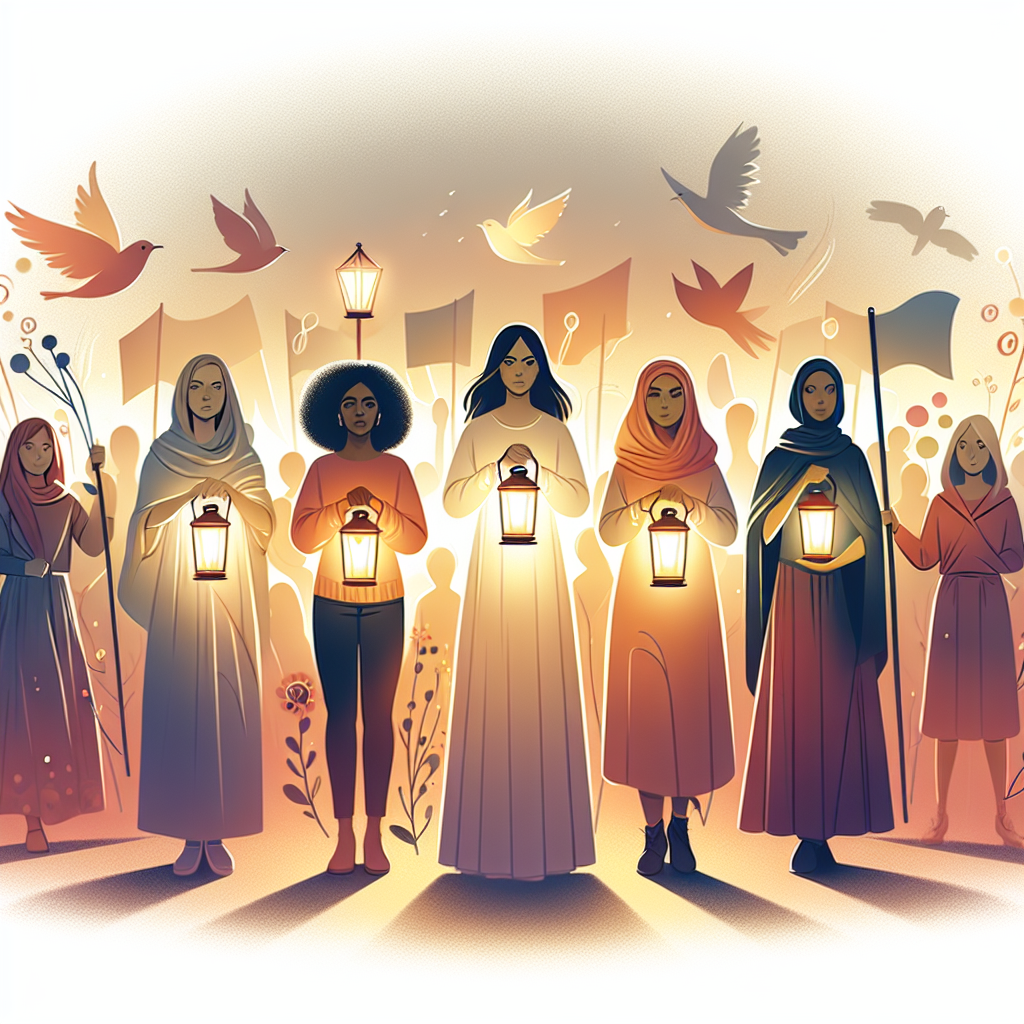
# Voices from Iran: Women Defy Fear in the Face of Brutal Crackdown
In the winter of 2026, Iranian women have emerged as the unyielding vanguard of nationwide protests, leading street blockades and chants against a regime gripped by economic collapse and repression.[1][2] Sparked by skyrocketing inflation and currency devaluation in late December 2025, these demonstrations—now spanning all 31 provinces—have evolved into a fierce demand for regime change, with women defying lethal crackdowns that have killed thousands.[2][3]
## The Spark in Tehran’s Grand Bazaar
The unrest ignited in Tehran’s labyrinthine Grand Bazaar, a historic hub of merchants known as *bazaaris*, where the Iranian rial plummeted to 1.4 million per U.S. dollar, crippling livelihoods.[4] Shopkeepers shuttered stalls in frustration over record-high food prices and depreciation, quickly drawing in university students and spreading to cities like Isfahan, Shiraz, and Mashhad.[2][4] By January 2, protests raged in Tehran, Qom, and Zahedan, with funerals for slain demonstrators turning into anti-government rallies chanting “Death to Khamenei.”[2]
Women quickly took center stage. In Bandar Abbas on January 1, brave women led confrontations, shouting “Death to the entire regime” and “Honorable Iranians, support.”[1] This echoed the 2022 Woman, Life, Freedom uprising, triggered by Mahsa Amini’s death in morality police custody, but 2026’s movement builds on layered grievances: economic despair fused with calls for freedom.[3]
## Women’s Courage Lights the Flames
Across Iran, women’s defiance has been palpable and symbolic. On January 4 in Mashhad, women spearheaded clashes with security forces, chanting “Death to the dictator.”[1] In Tehran-Sar, 200 young women marched boldly for “Freedom, freedom.”[1] Shiraz saw women block streets on January 7, while Saravan’s girls filled avenues with protest cries on January 8.[1]
A viral trend captured global attention: women lighting cigarettes to burn images of Supreme Leader Khamenei, an illegal act rejecting state control over personal freedoms and strict religious edicts.[2] Shared on platforms like X, Reddit, Instagram, and Telegram despite internet blackouts, these videos symbolize broader rebellion against compulsory veiling and patriarchal authority.[2]
Young women and girls dominate the frontlines, from Hormozgan’s uprisings to smaller towns like Yasuj and Saman.[1][5][6] In Tehran’s Bagh-e Sepahsalar, their voices echoed “Death to Khamenei” amid special forces’ alerts.[2] By January 7, protests hit 37 cities in 24 provinces, with 10 universities joining, totaling 348 sites.[2] Strikes pulsed in Marvdasht, and families confronted authorities in Yasuj.[2]
Reza Pahlavi’s January 8 call amplified the surge: 1.5 million flooded Tehran’s streets, swelling to 5 million nationwide by January 9.[2] Leaderless yet unified, protesters torched IRGC symbols, demanding a referendum on Iran’s future.[2]
## Brutal Crackdown and Mounting Death Toll
The regime’s response has been savage. Internet and phone services were severed to thwart organization, with accusations flung at the U.S. and Israel to rally security forces.[2] Amnesty International documented massacres on January 8-9, pushing deaths into thousands—the deadliest repression in decades.[3] In Tehran alone, at least 217 fatalities by January 9, with Shiraz and Tehran hospitals overwhelmed by gunshot victims.[2] Thousands arrested, tortured, and forced into televised confessions—40 by January 7.[2]
Nobel laureate Shirin Ebadi warned of potential massacres under the blackout, recalling 2022’s atrocities: unlawful killings, rapes, and executions.[3] HRANA reported 16 deaths by January 3, including one security force member, amid evolving slogans blending economic rage with justice demands.[2] By January 27, the crackdown worsened economic collapse, fueling further unrest.[8]
Ethnic minorities joined: Kurds with strikes, Azeris in Tabriz and Urmia, Sunnis in Sistan and Baluchestan.[4][5] Yet women’s role stands out, less extensive than 2022 but pivotal, bending but never breaking.[4][6]
## Echoes of Resistance and Hope
These **voices from Iran** pierce the fear. A message to the women salutes their blaze-setting alongside brothers: from Bandar Abbas leads to Shiraz blockades.[1] Artists, teachers, and the diaspora amplify support.[2]
As protests ebb and flow—reported in over 60 cities by early January—the regime’s impunity, rooted in past crackdowns like 2019 and 2022, only steels resolve.[3][5] Women, once again, embody “They bend, they stretch, they rise.”[6]
In defying bullets and blackouts, Iran’s daughters herald a reckoning. Their chants—”Freedom, freedom”—refuse silence, demanding a future beyond tyranny.[1][2]
*(Word count: 812)*
Original source: NPR News – Voices from Iran: women defy fear in the face of brutal crackdown