Full HTML article body
The biggest moves in AI right now are happening in model benchmarks. They’re happening in silicon fabs, data centers, and government policy offices. This week’s news cycle demonstrates exactly that: the companies winning the AI era are the ones controlling their full stack—from custom hardware to foundational models to the platforms used by actual users actually touching the technology.
Meta’s Chip Bet: 14 Gigawatts and Vertical Integration
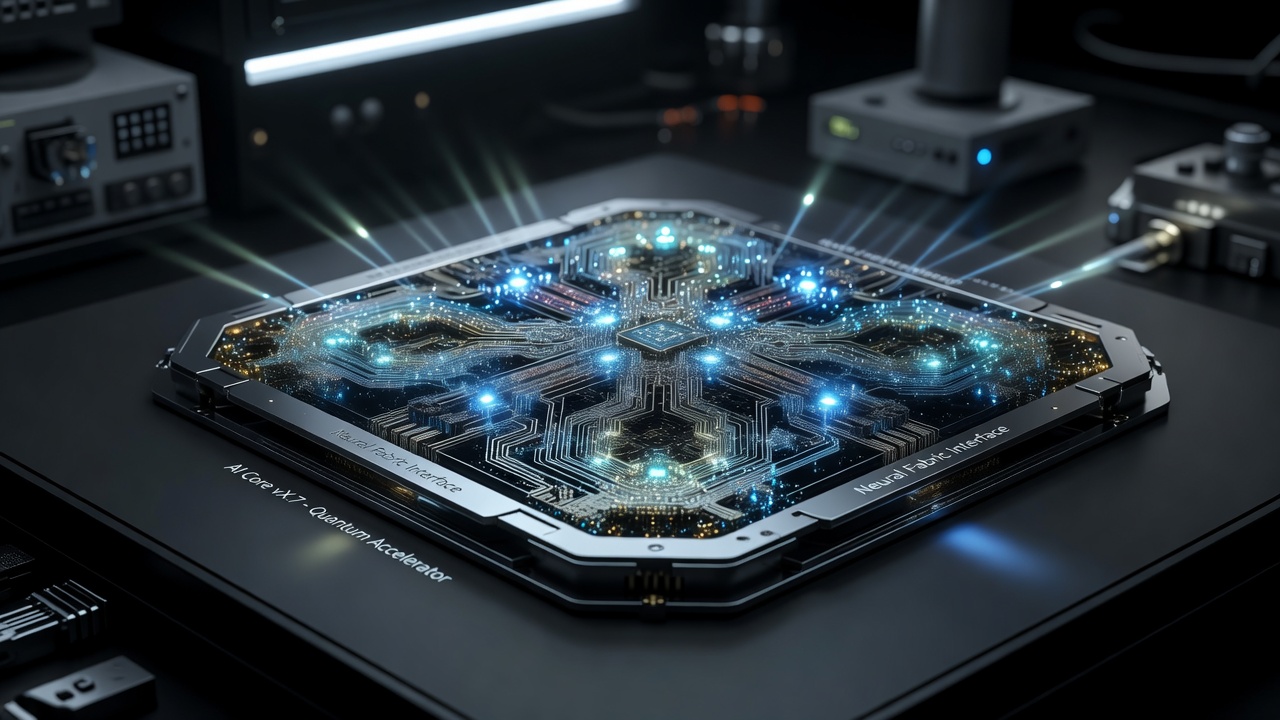
According to Reuters, Meta intends to begin manufacturing its own AI chip by September. The company is betting on a vertical integration strategy that includes everything from custom hardware to software that runs on top of it. The strategy is designed to optimize for their specific needs, which include a focus on AI workloads, reducing dependence on third-party chipmakers like NVIDIA.
The strategic logic is straightforward: Custom silicon enables companies to optimize their hardware for specific workloads, which can lead to significant performance improvements. Meta’s move is indicative of a broader trend in the industry, where companies are increasingly looking to control their own hardware and software stacks to gain a competitive edge.
As the AI landscape evolves, the ability to control the entire stack will likely become a key differentiator among tech giants. Companies that can effectively integrate their hardware and software will be better positioned to innovate and respond to market demands.
Model Competition: Growing Demand for Custom Solutions
Foundational models are becoming increasingly important in the AI ecosystem. As companies like Meta invest in custom chips, they are also developing proprietary models that can leverage the unique capabilities of their hardware. This dual approach allows them to create solutions that are not only efficient but also tailored to their specific use cases.
The demand for custom solutions is growing, as businesses seek to optimize their operations and improve their AI capabilities. Companies that can offer tailored solutions will likely see increased adoption and loyalty from their customers.
Conclusion: The Future of AI Infrastructure
The race to own the AI stack is heating up, with companies like Meta leading the charge. As they invest in custom hardware and develop proprietary models, they are positioning themselves for success in a rapidly evolving landscape. The future of AI infrastructure will be defined by those who can effectively integrate their hardware and software, creating solutions that meet the demands of the market.