Full HTML article body
The AI industry rarely pauses for breath. In the last 24 hours alone, Google has expanded its Gemini lineup with lower-cost variants, Meta has pushed its brain-to-text accuracy to 61%, and the race for efficient computing continues to heat up. These developments paint a clearer picture: AI is scaling outwards, deeper into the fabric of our lives, and researchers have demonstrated a light-based computing paradigm that could reshape how AI models are powered. Taken altogether, these developments paint a clearer picture of the future of AI.
Google Expands Gemini Access with Lower-Cost Models
According to a string of Reuters, Alphabet’s Google released a trio of cheaper Gemini models that are powered by cheaper chips. The move comes as time-honored computing paradigms are being challenged by the rise of AI, and the company is looking to capitalize on the growing demand for AI services. The models come as a timely reminder that the market is shifting towards more affordable AI solutions, and Google is positioning itself to lead the charge.
This is not just a pricing decision. It reflects a broader competitive landscape where companies are racing to deliver the most efficient AI solutions. As Alphabet’s Google releases these models, it’s clear that the company is not just responding to market demands but is also actively shaping the future of AI.
Meta’s Brain-to-Text Breakthrough
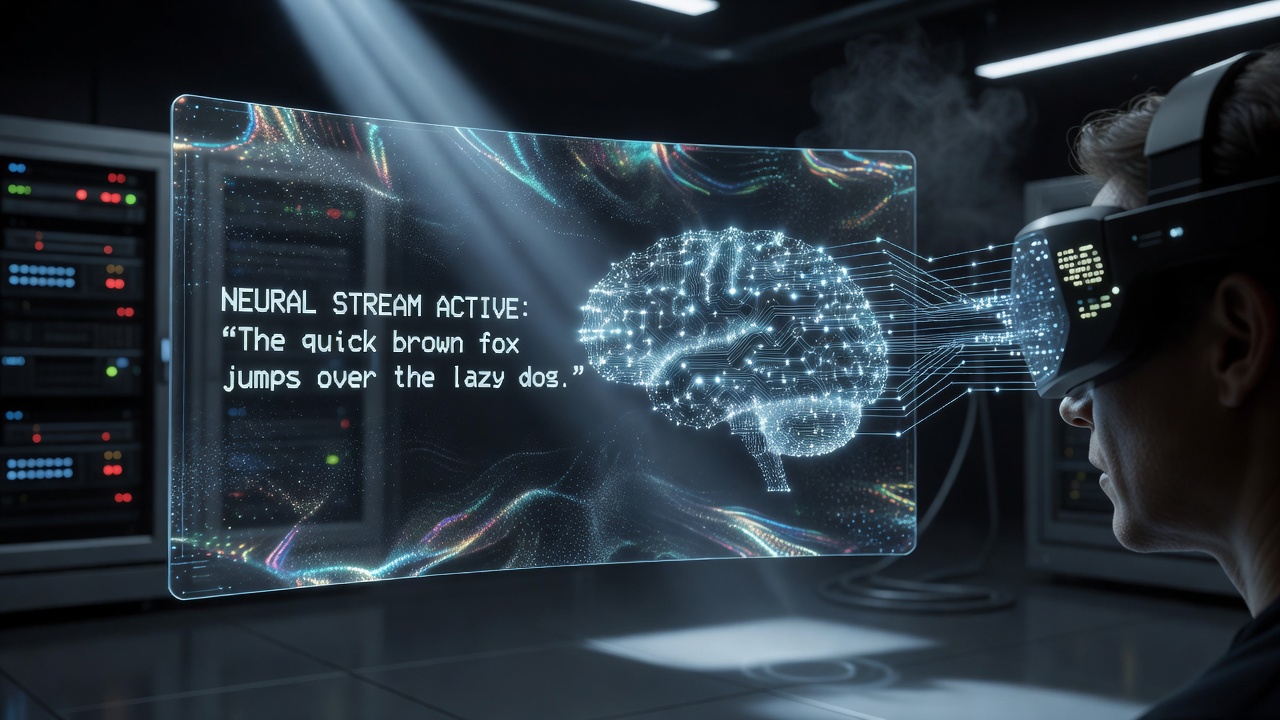
Meanwhile, Meta has achieved a significant milestone in brain-to-text technology, reaching an impressive 61% accuracy rate. This breakthrough is a testament to the rapid advancements in AI and neuroscience, and it opens up new possibilities for human-computer interaction. The implications of this technology are vast, from aiding those with disabilities to enhancing communication in various fields.
As Meta continues to refine its brain-to-text capabilities, it’s clear that the company is at the forefront of a revolution in how we interact with technology. This development not only showcases the potential of AI but also highlights the ethical considerations that come with such advancements.
Conclusion
In conclusion, the recent developments in AI, from Google’s cheaper Gemini models to Meta’s brain-to-text breakthroughs, signify a pivotal moment in the industry. As companies race to innovate and deliver efficient solutions, the landscape of AI is evolving rapidly. The future holds exciting possibilities, and it’s essential for stakeholders to navigate these changes thoughtfully.