Full HTML article body
A single week really defines this much substance. OpenAI shipped its newest frontier model, researchers at Penn and Tsinghua demonstrated light-based AI computing, and Google DeepMind released a model that generates fully interactive 3D worlds. Together, these developments outline where AI is heading and how fast. Together, these developments outline where AI is heading and how fast.
OpenAI’s GPT-5.4 Sets a New Standard for Professional AI Performance
OpenAI’s latest release, GPT-5.4, has set a new standard for AI performance, scoring an impressive 92.8% on the GPQA Diamond benchmark. This model is not just an incremental improvement; it represents a significant leap forward in the capabilities of AI systems. The advancements in natural language understanding and generation are remarkable, making it a powerful tool for various applications.
Optical AI Chips: A Game Changer for Computing
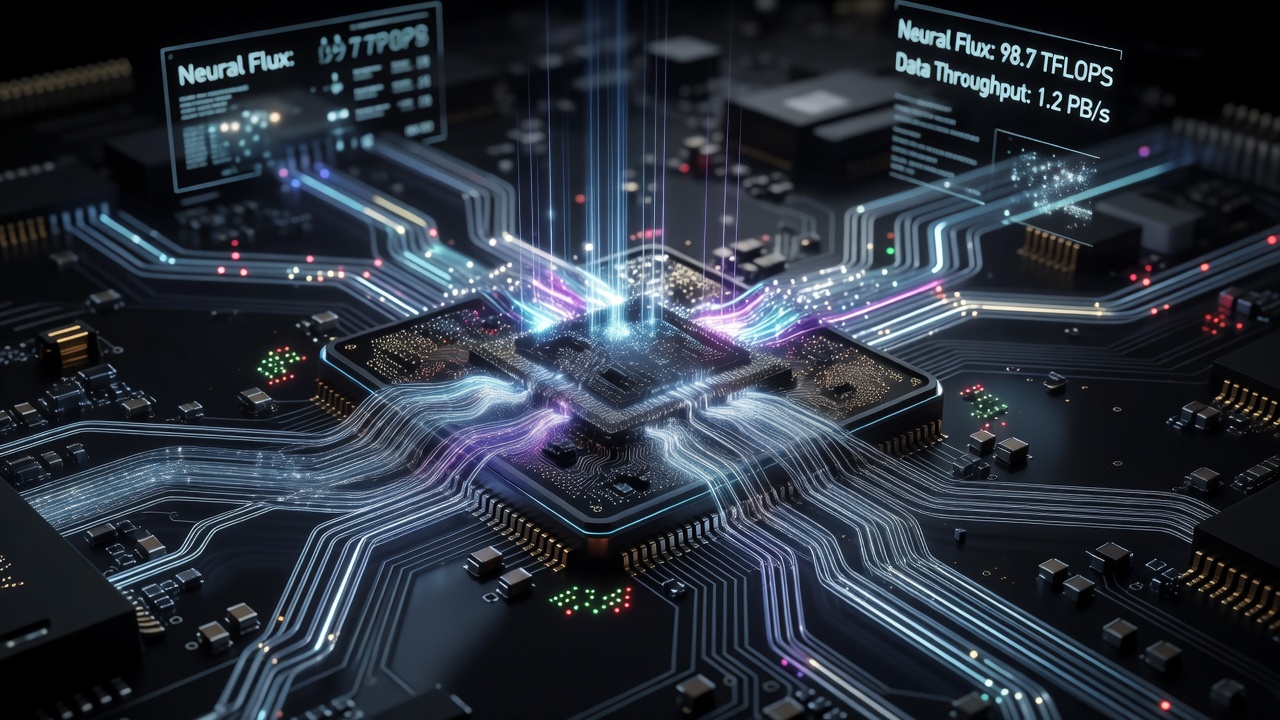
Researchers at the University of Pennsylvania and Tsinghua University have unveiled a groundbreaking optical AI chip that processes information using light rather than electricity. This innovation could revolutionize the way AI systems are built, offering faster processing speeds and lower energy consumption. The implications for machine learning and data processing are profound, potentially enabling real-time analysis of vast datasets.
Google DeepMind’s Interactive 3D Worlds
In a separate but equally exciting development, Google DeepMind has released a model capable of generating fully interactive 3D worlds. This technology opens up new possibilities for gaming, virtual reality, and simulations, allowing users to engage with AI in entirely new ways. The ability to create immersive environments that respond to user actions is a significant step forward in AI interactivity.
Conclusion
As we look ahead, the convergence of these technologies signals a transformative era for AI. With advancements in natural language processing, optical computing, and interactive environments, the future of AI is not just about efficiency but also about creating richer, more engaging experiences for users.