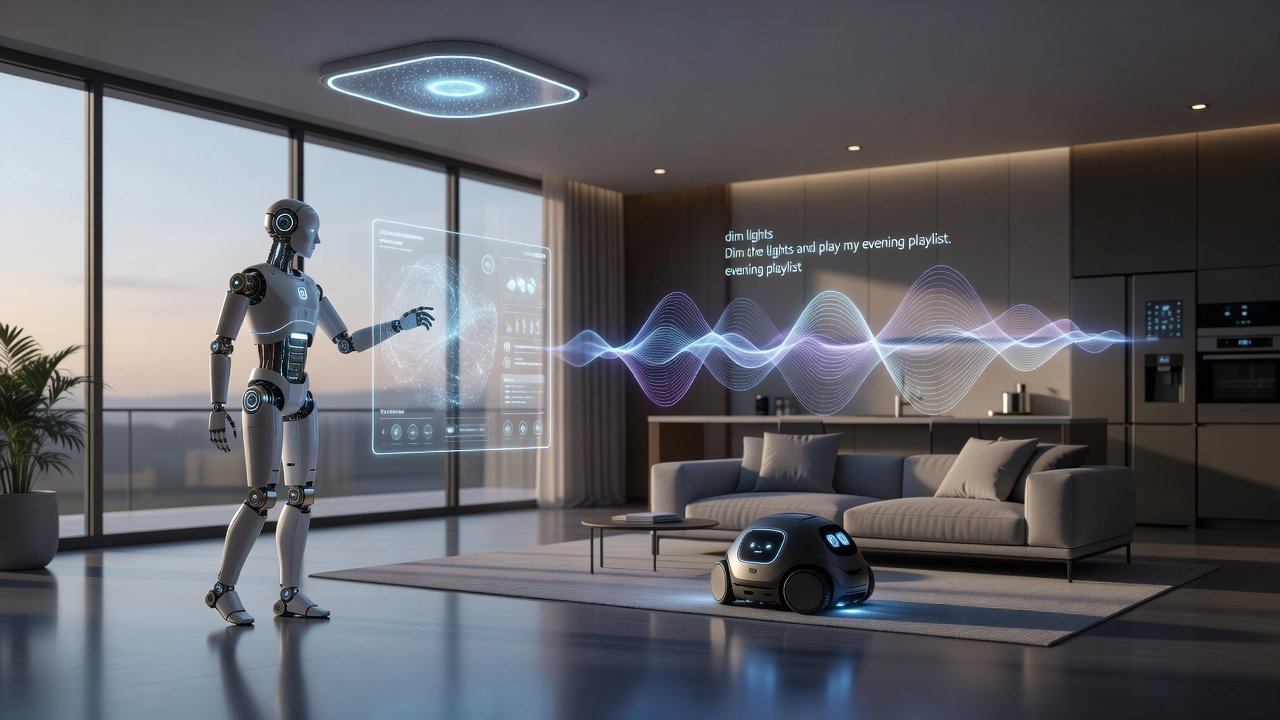
OpenAI GPT-Live, Google Veo 3, and Japan’s Robot Nation: AI’s Biggest Moves This Week
OpenAI can now hear and speak at the same time. Google just handed everyone access to its most powerful video generation tools. And Japan is planning to put AI in 10 million robots by 2040. This was not a quiet week for artificial intelligence. Here is what happened, why it matters, and what comes next.
OpenAI Launches GPT-Live: Real-Time Voice AI
On Wednesday, OpenAI released GPT-Live, a new family of voice models capable of simultaneously listening and speaking in real time, according to reports. This is a significant departure from previous voice systems that relied on a strict listening-then-speaking pattern. The implications for enterprise applications are immense. Customer support agents, for example, could have a more natural conversation with users on the other end. GPT-Live demonstrates that the gap between AI conversation and human conversation is narrowing.
Why does this matter? Human conversation is not take-turns. We interrupt, we overlap, we speak over each other. GPT-Live is designed to mimic that natural flow, making it a more effective tool for customer interactions.
Google Opens Veo 3 to Everyone
On Wednesday, Google announced that it is now making Veo 3 available to everyone. This new family of video generation models capable of simulating realistic human behavior and speech is a game changer for content creators. The ability to generate high-quality video content on demand can significantly reduce production times and costs.
Why does this matter? Video is becoming an increasingly important medium for communication and marketing. The ability to create engaging video content quickly and affordably can give businesses a competitive edge.
Japan’s AI Robot Initiative
Japan is planning to commission a national AI model for 10 million robots by 2040. This ambitious initiative aims to integrate AI into various sectors, including healthcare, manufacturing, and transportation. The goal is to enhance productivity and address the challenges posed by an aging population.
Why does this matter? Japan is facing a demographic crisis, and the integration of AI into everyday life could help mitigate some of the challenges associated with a shrinking workforce.