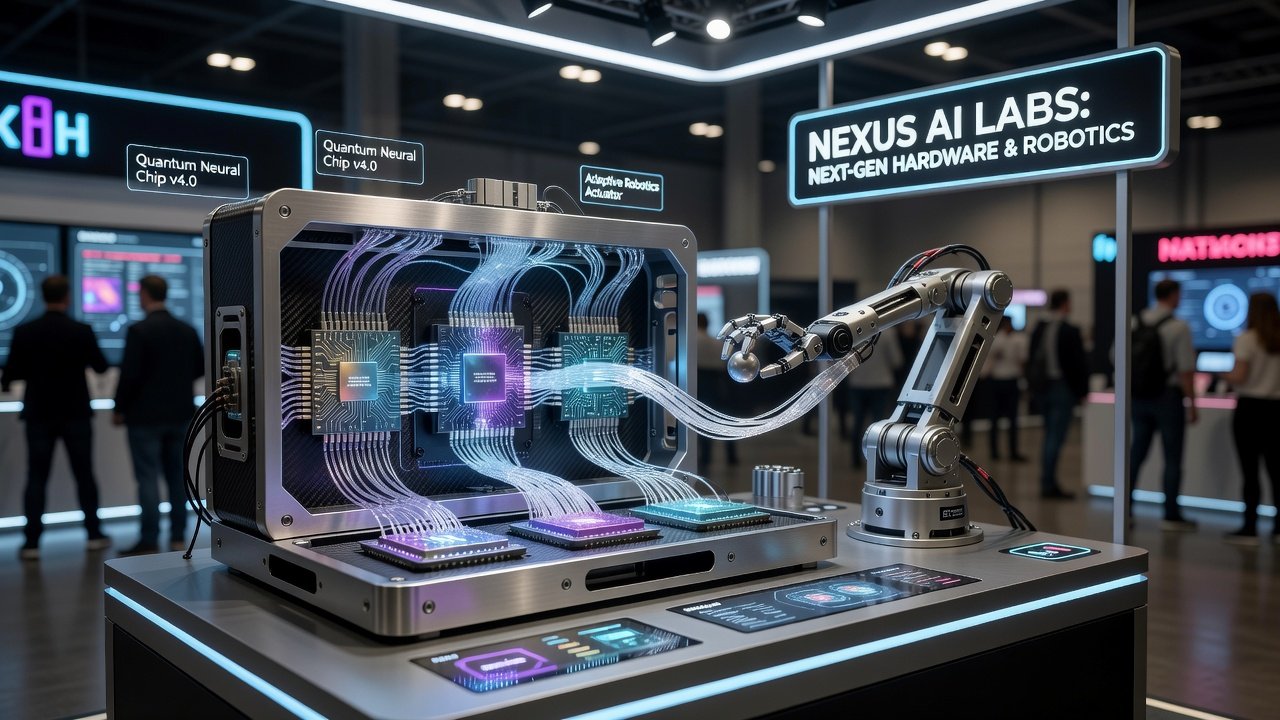
The edge of AI computing just moved significantly closer to the physical world. At CES 2026, NVIDIA unveiled the Jetson T4000, AMD EPYC Venice on 2nm, and neuromorphic edge AI signal a major shift in how AI runs at the hardware level in 2026.
AI is moving off the cloud and into the real world, and the hardware is finally keeping pace.
At CES 2026, NVIDIA’s Jetson T4000 and the new AMD EPYC Venice on 2nm are demonstrating how AI can be integrated into everyday devices, from smartphones to smart home appliances. This is a significant leap forward in the capabilities of edge AI, allowing for real-time processing and decision-making without the need for constant cloud connectivity.
Moreover, the introduction of neuromorphic chips is paving the way for more efficient and powerful AI systems. These chips mimic the way the human brain works, enabling machines to learn and adapt in real-time, making them ideal for applications in robotics and autonomous systems.
As we look towards the future, the implications of these advancements are vast. From healthcare to transportation, the integration of AI into hardware is set to revolutionize industries and improve the quality of life for people around the world.
In conclusion, the hardware breakthroughs showcased at CES 2026 are not just incremental improvements; they represent a fundamental shift in how we think about and utilize AI technology. The future is here, and it’s more connected and intelligent than ever before.