Full HTML article body
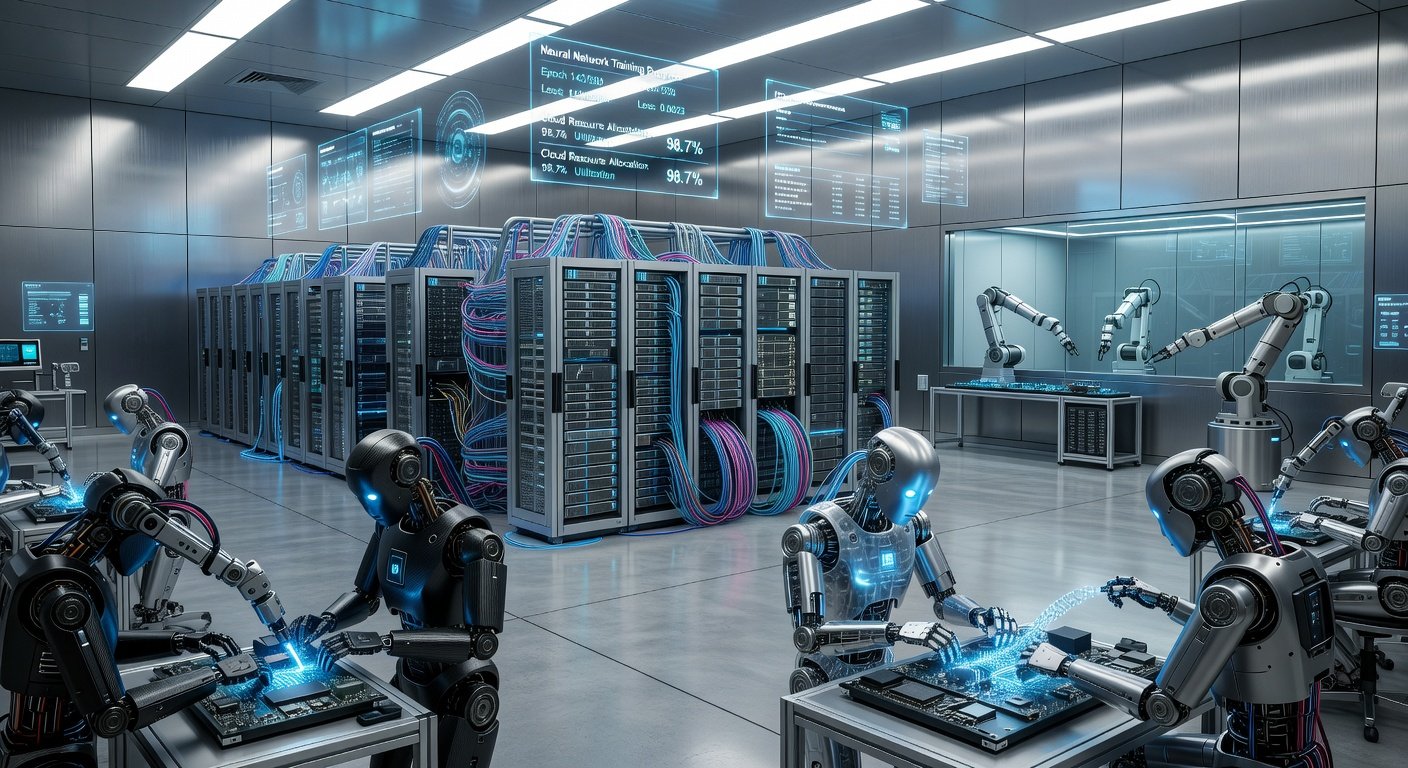
The pace of advancement in artificial intelligence has not slowed in 2025. If anything, the convergence of machine learning, cloud computing, and robotics is accelerating. From data centers running on NVIDIA’s latest GPUs to breakthroughs in robotic automation, the landscape of AI is being reshaped.
At Sp1nDex, we track these shifts so you don’t have to. Here is what the current landscape tells us about where AI is headed and what it means for practitioners, founders, and researchers alike.
NVIDIA and the Hardware Dominance
No discussion of the current AI era is complete without acknowledging a shift that touches every corner of the tech industry. From data centers running on NVIDIA’s latest GPUs to breakthroughs in robotic automation, the landscape of AI is being reshaped. The current battleground for tech giants is the race to build the most powerful AI infrastructure.
As AI becomes more integrated into everyday applications, the demand for robust hardware solutions is skyrocketing. Companies like Google, Amazon, and Microsoft are investing heavily in AI capabilities, and NVIDIA is at the forefront of this hardware revolution.
Cloud AI Infrastructure
Cloud computing has become the backbone of AI development. The ability to scale resources on-demand allows companies to experiment and innovate without the heavy upfront costs of traditional infrastructure. This flexibility is crucial for startups and established companies alike as they navigate the complexities of AI.
With cloud providers offering specialized AI services, businesses can leverage machine learning models without needing extensive in-house expertise. This democratization of AI technology is paving the way for a new wave of innovation.
Robotics and Automation
The integration of AI into robotics is transforming industries. From manufacturing to healthcare, robots equipped with advanced AI capabilities are enhancing productivity and efficiency. The ability to analyze data in real-time allows these machines to make decisions that were once the sole domain of humans.
As we look to the future, the collaboration between AI and robotics will only deepen, leading to smarter, more autonomous systems that can adapt to changing environments.