Quantum Computing and AI
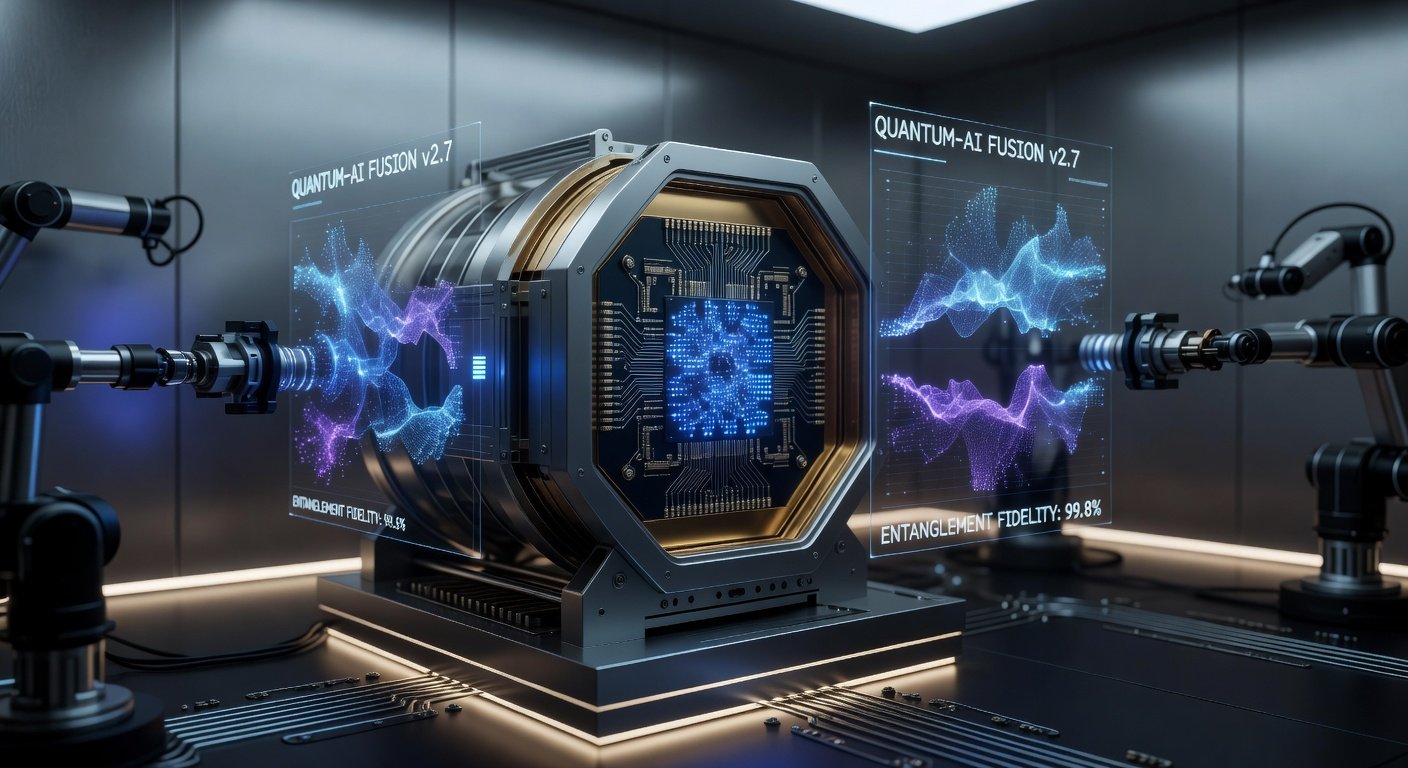
Quantum computing has long promised to reshape computational science but has been held back by one persistent obstacle: error. Quantum bits, or qubits, are notoriously fragile, and keeping them stable long enough to perform calculations has been a significant challenge. NVIDIA’s Ising models deliver 2.5x faster quantum error correction. Plus: enterprise AI agents, ChatGPT finance tools, and silicon quantum breakthroughs.
It is a significant move – and one that reflects a broader shift in the AI landscape: the industry is increasingly looking to quantum computing as a way to enhance machine learning capabilities. This week, the company unveiled Ising, a new quantum computing framework that promises to accelerate AI training and inference. The results: up to 2.5x faster quantum error correction, which is crucial for the reliability of quantum systems.
But the implications of this technology extend beyond just speed. It opens up new avenues for AI applications, particularly in fields like finance, healthcare, and logistics, where complex problem-solving is essential. The integration of quantum computing with AI could lead to breakthroughs that were previously thought impossible.
As we look to the future, the potential for quantum-enhanced AI is vast. From optimizing supply chains to developing new drugs, the possibilities are endless. NVIDIA’s commitment to this technology signals a new era in AI development, one where quantum computing plays a pivotal role.