100x More Efficient: The Hybrid AI Architecture That Could Solve the Energy Crisis
AI currently consumes over 10% of all U.S. electricity, and that figure is climbing. Now, researchers may have found a structural architecture that could solve the energy crisis. A new hybrid AI architecture combining neural networks with symbolic reasoning cuts energy use by 100x while improving accuracy. Here’s what it means for the industry.
AI currently consumes over 10% of all U.S. electricity, and that figure is climbing. Now, researchers may have found a structural architecture that could solve the energy crisis. A new hybrid AI architecture combining neural networks with symbolic reasoning cuts energy use by 100x while improving accuracy. Here’s what it means for the industry.
Why AI: Energy Use Is a Structural Problem
The current paradigm of large-scale neural networks is inherently expensive. Training and running these models requires massive compute clusters, consuming enormous amounts of energy. This is not an incremental gain. It is a rethinking of how AI systems should be built.
Notably, this is not just an environmental concern. It is an infrastructure bottleneck. Data centers capacity constraints, grid stressors, and operational costs are already limiting how organizations can deploy AI at scale. Any technological advancement that scales. Any technological advancement that scales.
The Hybrid Approach: Neural Networks Meet Symbolic Reasoning
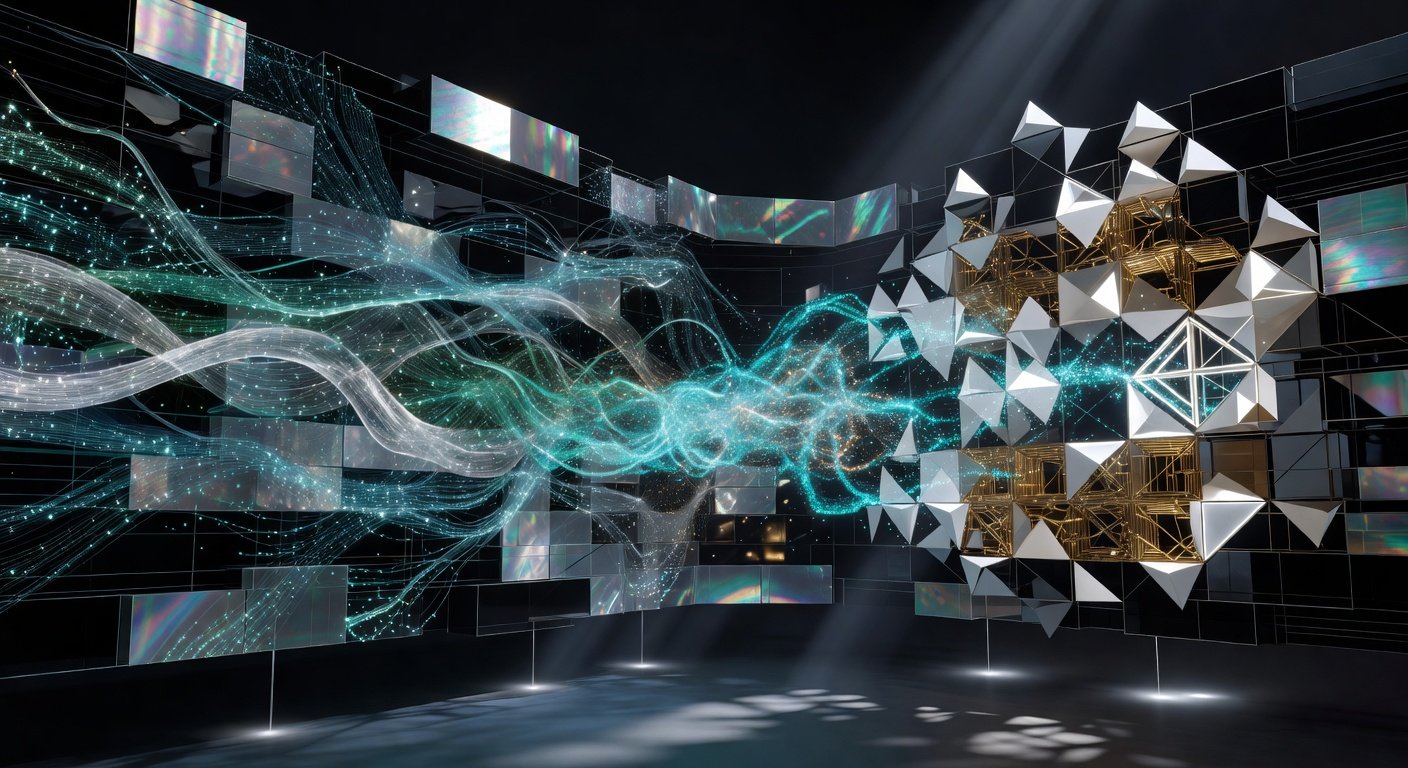
The significant energy savings come from the hybrid approach, which combines the strengths of both neural networks and symbolic reasoning. Neural networks excel at pattern recognition, while symbolic reasoning provides a framework for logical reasoning and decision-making. By integrating these two approaches, the new architecture can achieve high accuracy with significantly lower energy consumption.
In conclusion, the hybrid AI architecture represents a paradigm shift in how we think about AI systems. It not only addresses the pressing energy crisis but also opens up new possibilities for AI applications across various industries.