Full HTML article body
Ingle weak rarely rewriter the map of what artificial intelligence can do. This one did. From OpenAI’s GPT-5.4 surpassing human benchmarks to NVIDIA’s quantum AI models and Google’s open-source breakthroughs reshaping AI in 2025, the week was a pivotal moment in the evolution of machine intelligence. Here is what matters and why it matters and why it matters now.
GPT-5.4: Autonomous AI Workflows Arrive
The most significant development of the week is a single number: 75%. That is the score that GPT-5.4 achieved on the OSWorld-V benchmark, surpassing human performance in various tasks. This is a watershed moment for AI, as it signifies that AI can now perform tasks that were once thought to be the exclusive domain of humans.
But the benchmark score is only part of the story. GPT-5.4 is not just a better version of its predecessors; it is a fundamentally different model that leverages new techniques in training and architecture. The implications of this are profound, as it opens the door to new applications and capabilities that were previously unimaginable.
NVIDIA’s Quantum AI Models
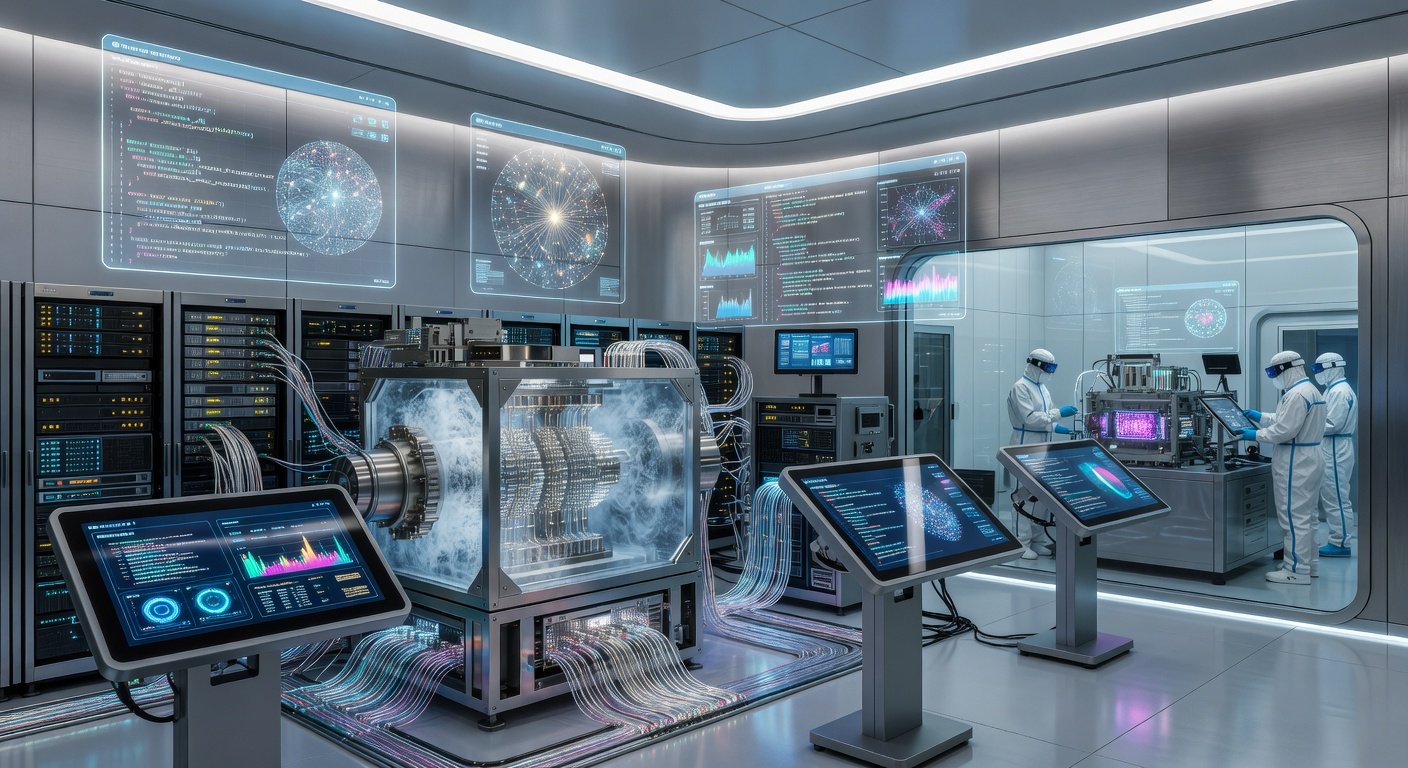
In parallel, NVIDIA unveiled its quantum AI models, which promise to revolutionize the way we approach complex problems. These models utilize quantum computing to process information at unprecedented speeds, allowing for real-time decision-making in scenarios that were previously too complex for traditional AI.
Google’s Open-Source Breakthroughs
Meanwhile, Google has made significant strides in open-source AI, releasing new tools and frameworks that empower developers to create their own AI solutions. This democratization of AI technology is crucial for fostering innovation and ensuring that the benefits of AI are accessible to all.
Conclusion
The developments of this week mark a turning point in the field of artificial intelligence. As we move forward, it is essential to consider the ethical implications of these advancements and ensure that AI is used responsibly and for the benefit of society.