GPT-5.5 Tops Benchmarks
In a week packed with significant developments, the AI landscape has seen remarkable advancements. OpenAI’s GPT-5.5 has outperformed its predecessor, Claude Opus 4.7, showcasing its superior capabilities. Meanwhile, researchers have made strides in reducing AI energy consumption by an impressive 100 times, addressing sustainability concerns in the field. Additionally, NASA’s rover has successfully navigated Mars autonomously, marking a significant milestone in space exploration.
AI technology is rapidly evolving, and its applications are becoming increasingly diverse. From enhancing productivity in various sectors to driving innovation in scientific research, the impact of AI is profound. As organizations continue to integrate AI into their workflows, the potential for transformative change is immense.
AI Energy Efficiency and Mars Exploration
Researchers have been focusing on improving the energy efficiency of AI models, and the results are promising. The reduction in energy consumption not only benefits the environment but also makes AI more accessible to a wider range of applications. This week, the spotlight is on the advancements made in AI energy efficiency, which could pave the way for more sustainable AI practices.
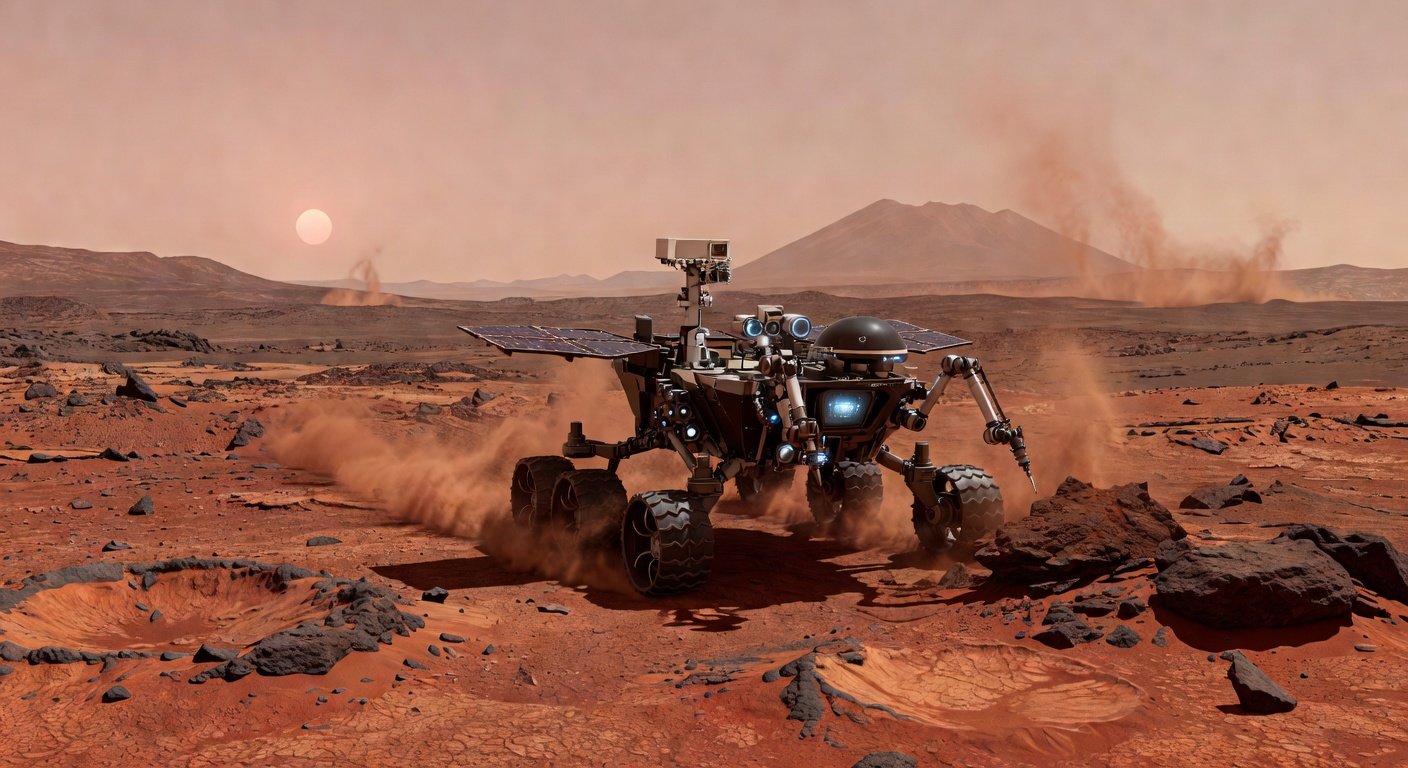
On another front, NASA’s rover has demonstrated its ability to navigate the Martian terrain autonomously. This achievement highlights the potential of AI in space exploration, where real-time decision-making is crucial. The rover’s success is a testament to the advancements in AI technology and its applications beyond Earth.