AI Energy Efficiency Leaps 100x: The Week’s Most Significant Breakthroughs
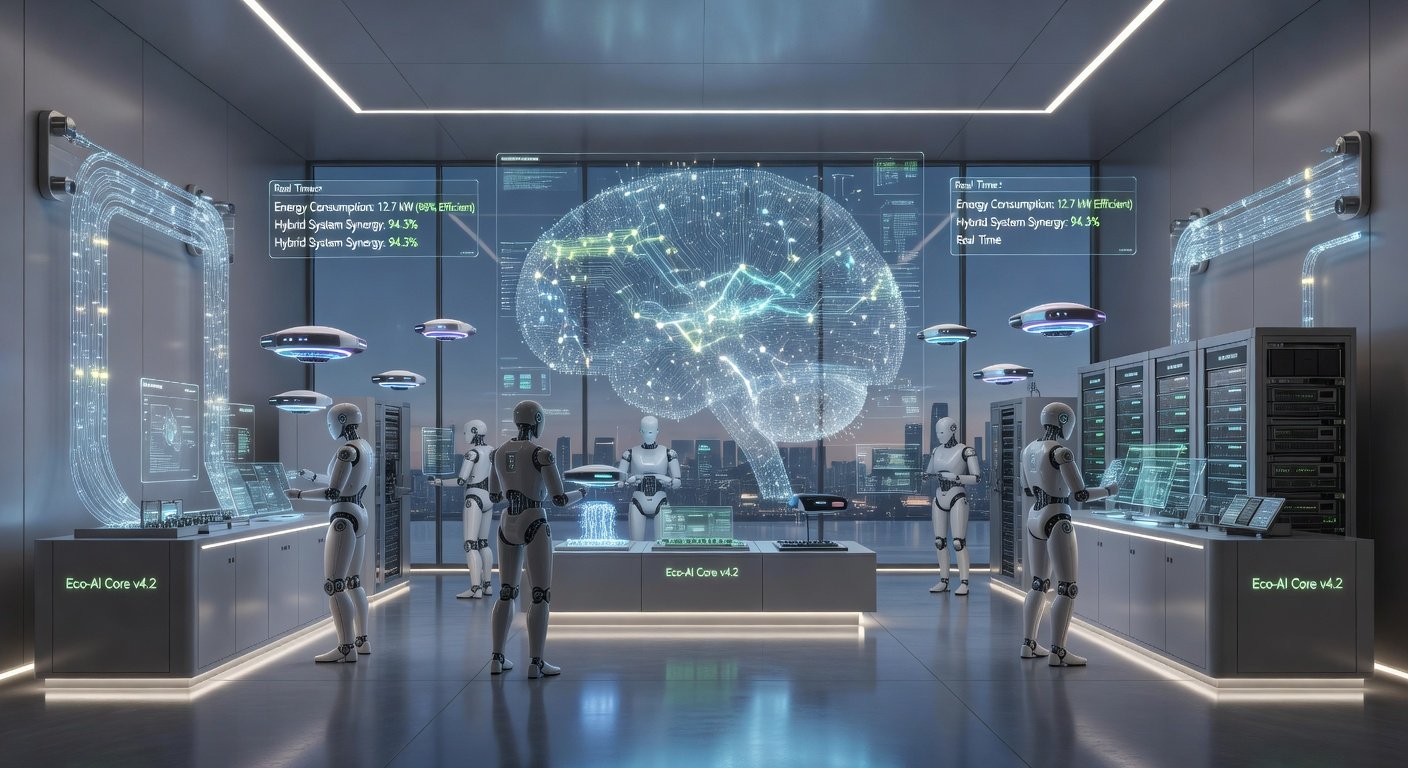
AI already consumes more than 10% of all U.S. electricity. This week, researchers unveiled an approach that could change that dramatically: a hybrid AI architecture that cuts energy consumption by up to 100x while maintaining accuracy. The results are reshaping the AI landscape in real time.
AI already consumes more than 10% of all U.S. electricity. This week, researchers unveiled an approach that could change that dramatically: a hybrid AI architecture that cuts energy consumption by up to 100x while maintaining accuracy. The results are reshaping the AI landscape in real time.
For AI practitioners, this points toward a practical path: rethinking models that just scale with data that are less energy-intensive. The result: robots and AI agents that reason through problems logically, rather than relying on brute-force pattern matching across massive datasets.
The implications are substantial. Brute-force deep learning is no longer the only frontier. This week unveiled a new hybrid AI framework integrating traditional neural networks with symbolic reasoning that reduces the energy footprint of AI systems.
The implications are substantial. Brute-force deep learning is no longer the only frontier. This week unveiled a new hybrid AI framework integrating traditional neural networks with symbolic reasoning that reduces the energy footprint of AI systems.
This hybrid-level breakthrough complements the ongoing research into AI’s energy efficiency. The results: robots and AI agents that reason through problems logically, rather than relying on brute-force pattern matching across massive datasets.
This hybrid-level breakthrough complements the ongoing research into AI’s energy efficiency. The results: robots and AI agents that reason through problems logically, rather than relying on brute-force pattern matching across massive datasets.
AI practitioners are now rethinking models that just scale with data that are less energy-intensive. The result: robots and AI agents that reason through problems logically, rather than relying on brute-force pattern matching across massive datasets.
AI practitioners are now rethinking models that just scale with data that are less energy-intensive. The result: robots and AI agents that reason through problems logically, rather than relying on brute-force pattern matching across massive datasets.