Analog AI Chips, 100x Energy Gains, and Medical Breakthroughs: The Week’s Most Significant AI Advances
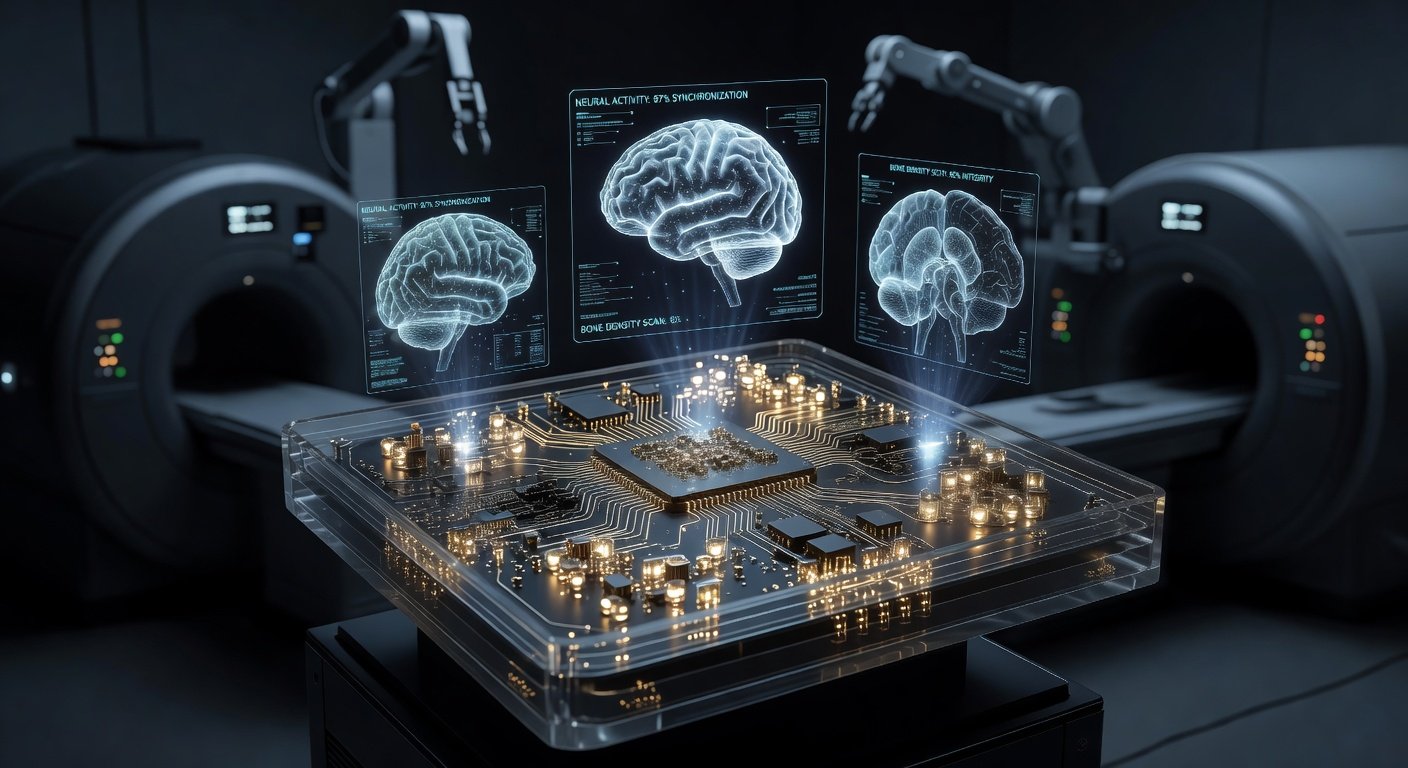
Hardware efficiency, medical diagnostics, and enterprise AI advancements are the week’s most significant AI developments. From IBM researchers’ analog chip that achieves 100x energy efficiency, to 97.5% accurate brain MRI diagnostics, this week has seen remarkable progress in AI advancements.
Hardware efficiency, medical diagnostics, and enterprise AI advancements are the week’s most significant AI developments. From IBM researchers’ analog chip that achieves 100x energy efficiency, to 97.5% accurate brain MRI diagnostics, this week has seen remarkable progress in AI advancements.
IBM’s Analog AI Chip: Rethinking the Hardware Foundation
IBM’s research has unveiled an analog AI chip designed specifically for deep neural networks (DNNs) computations, addressing one of the most pressing challenges in AI development: energy consumption. This chip is expected to revolutionize the way AI models are trained and deployed, making them more efficient and accessible.
IBM’s research has unveiled an analog AI chip designed specifically for deep neural networks (DNNs) computations, addressing one of the most pressing challenges in AI development: energy consumption. This chip is expected to revolutionize the way AI models are trained and deployed, making them more efficient and accessible.
Medical Breakthroughs: AI in Diagnostics
AI has made significant strides in medical diagnostics, particularly in brain imaging. Recent advancements have led to the development of algorithms that can analyze MRI scans with 97.5% accuracy, providing healthcare professionals with powerful tools to diagnose conditions more effectively.
AI has made significant strides in medical diagnostics, particularly in brain imaging. Recent advancements have led to the development of algorithms that can analyze MRI scans with 97.5% accuracy, providing healthcare professionals with powerful tools to diagnose conditions more effectively.