# Zevo Wants to Add Robotaxis to Its Car-Share Fleet, Starting with Newcomer Tensor
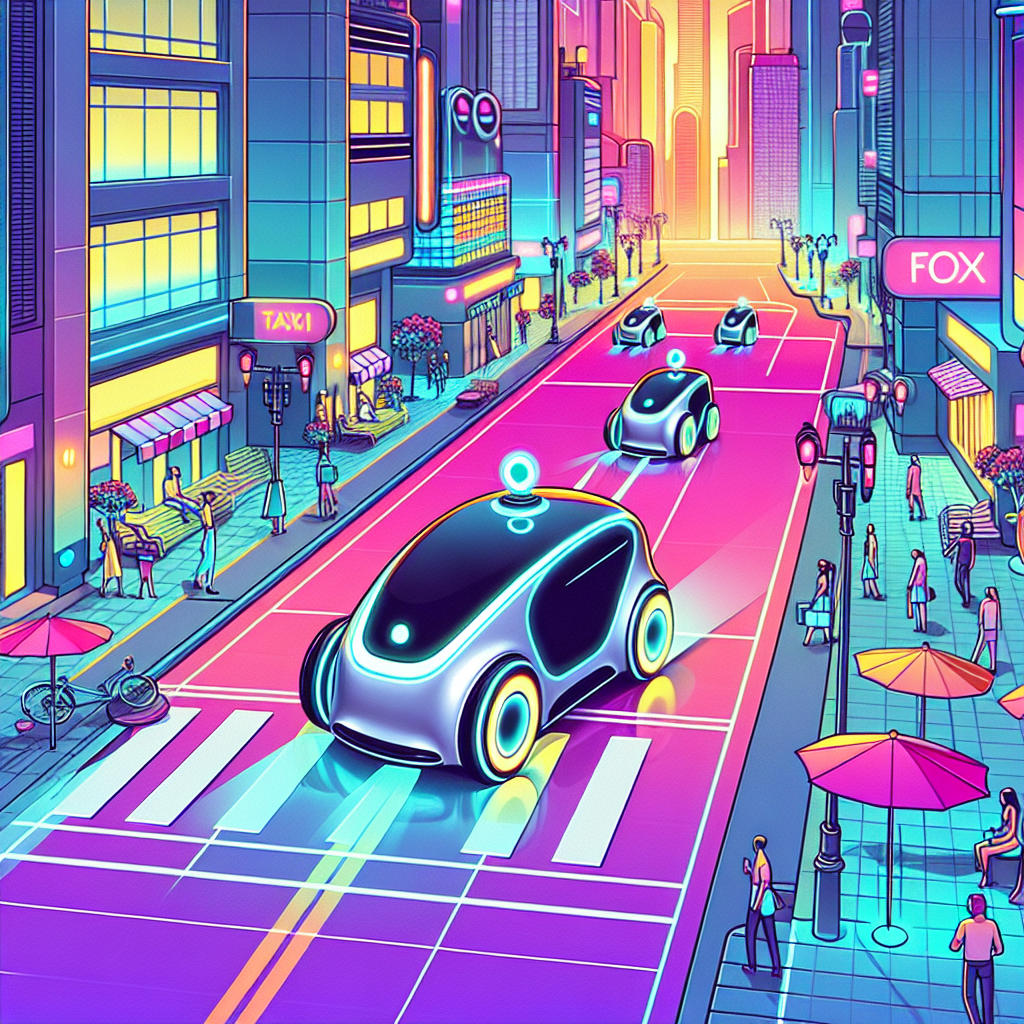
Driverless cars are transitioning from science fiction to reality, with companies like Waymo already offering commercial robotaxi services in multiple cities.[1] Dallas-based Zevo, an EV-only peer-to-peer car-sharing startup operating for over a year, is now integrating robotaxis into its fleet, beginning with up to 100 vehicles from emerging player Tensor.[1][2]
## Zevo’s Bold Move into Autonomous Sharing
Zevo co-founder Hebron Sher envisions a future where personal autonomous vehicles (AVs) enable errands like food pickups or peer-to-peer rides, similar to concepts from Autolane or Tesla’s Elon Musk.[1] Unlike traditional ride-hailing, Zevo focuses on car-sharing disruption, allowing owners to monetize their EVs—primarily Teslas—through its platform.[2] With $6 million in funding and over $8 million in annualized recurring revenue as of mid-2025, Zevo boasts a 3,500-person waitlist without heavy marketing.[2]
The Tensor partnership marks Zevo’s first foray into fully driverless cars. Tensor, spun out from China-based AutoX earlier in 2025, claims it will pioneer consumer sales of fully autonomous vehicles in 2026.[1] Zevo plans to purchase up to 100 of these cars, enabling customers to “borrow” them in a decentralized robotaxi model.[1] Tensor’s Chief Business Officer Hugo Fozzati described it as more than a sale: “This partnership… enables individuals and micro-entrepreneurs to participate and profit from AV business in this AI era,” aligning with Tensor’s vision of personal AGI for greater freedom.[1]
## Why Tensor? Startup Synergies Over Legacy Automakers
Sher’s strategy favors unproven startups for two key reasons: **cost** and **software integration**. Established original equipment manufacturers (OEMs) resist deep software access needed for peer-to-peer sharing, and Sher critiques their “tech [as] freaking suck[ing].”[1] Startups like Tensor offer attractive deals and collaborative development, creating a “synergy of startup and startup.”[1]
This isn’t Sher’s first gamble. In October 2025, Zevo placed a non-binding order for 1,000 electric vans from struggling Faraday Future, which assembles China-sourced vans in the U.S.[1] Both deals reflect calculated risks: Tensor must prove scalability and reliability—hurdles that have derailed many AV newcomers—while Zevo gains early access at a discount.[1] Sher embraces this: “I think that’s what makes America great… encouraging startups to take risk.”[1]
## The Broader Robotaxi Landscape in 2025
Zevo’s announcement arrives amid accelerating AV deployments. Waymo leads with services in several cities, while Tesla eyes robotaxi expansion.[1][3] Elon Musk predicts Tesla Full Self-Driving (FSD) enabling autonomous ride-hailing in half the U.S. by year-end, starting in Austin, then San Francisco Bay Area, Nevada, Arizona, and Florida.[3] Tesla’s Cybercab pilots in Austin remain limited to pre-approved users.[3][6]
Zoox launched free public rides on Las Vegas Strip in September 2025, with paid services imminent.[5][6] Other players like Motional and partnerships with Uber/Lyft are testing in U.S. cities.[6] Globally, delivery robots and robotaxis trend upward, but U.S. focus sharpens on networks like Tesla’s, potentially mirroring Uber/Airbnb models.[4][7]
Zevo differentiates by sticking to car-sharing, not direct ride-hailing. Sher believes ample market exists: even if Tesla scales millions of robotaxis, demand for rides and deliveries outpaces supply.[2] Zevo aims for $100 million ARR with a lean 30-person team.[2]
| Company | Key 2025 Milestone | Deployment Focus |
|———|———————|——————|
| **Zevo + Tensor** | Up to 100 AVs for sharing | Peer-to-peer robotaxi network[1] |
| **Tesla** | Austin pilots; Bay Area next | Owner-deployed ride-hailing[3][4] |
| **Waymo** | Multi-city commercial ops | Centralized robotaxi fleets[1] |
| **Zoox** | Vegas Strip free rides | Public demos to paid service[5][6] |
## Challenges and Calculated Risks
Skepticism lingers, echoing unfulfilled self-driving promises from a decade ago.[1] Tensor’s bold consumer AV timeline faces production and regulatory scrutiny, much like Faraday Future’s decade-long struggles.[1] AVs demand unified national regulations for scale, as Musk notes.[4]
Yet, with real robotaxis on roads, viability feels tangible.[1] Zevo’s model could empower micro-entrepreneurs, turning personal AVs into income sources via deep software ties.[1] For users, it means seamless access to driverless cars for errands or short trips, blending ownership flexibility with robotaxi convenience.
## A Win-Win for Startups in the AV Era
This Tensor deal positions both firms advantageously: Tensor validates its tech with an early fleet customer; Zevo pioneers robotaxi sharing at low cost.[1] As AV adoption grows—bolstered by top U.S. players like those in comprehensive 2025 rankings—Zevo’s bet could redefine urban mobility.[8]
Sher’s optimism underscores startup ethos amid competition from Tesla and others. If Tensor delivers, Zevo customers gain a “tidy, nearly effortless” AV side-hustle, accelerating the shift to autonomous fleets.[1] Watch for updates as timing details emerge and Tensor proves its mettle.
(Word count: 812)
Original source: TechCrunch – Zevo wants to add robotaxis to its car-share fleet, starting with newcomer Tensor