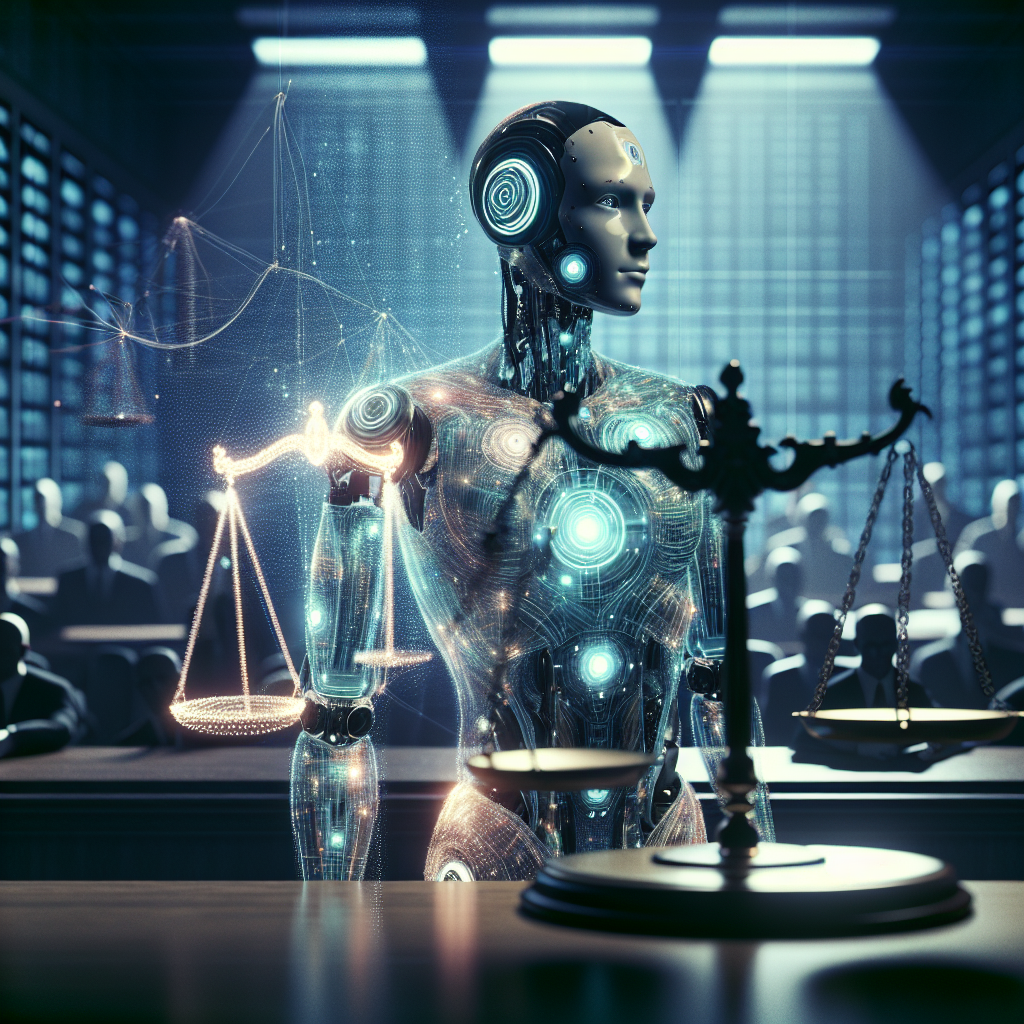
YouTube creator **IShowSpeed** is facing a high-profile lawsuit after allegedly punching and choking “**Rizzbot**,” a viral humanoid robot – a bizarre clash of influencer culture, physical property, and emerging AI ethics.[1][2] The case, now playing out in Texas, has quickly become a flashpoint for debates over how the law should treat lifelike, personality-driven robots that are also valuable commercial assets.[1]
According to court filings and local reports, the incident unfolded during a livestream in Austin, Texas, featuring **Darren Jason Watkins Jr.**, better known online as IShowSpeed, and **Rizzbot**, a cowboy-themed humanoid robot built by Social Robotics.[1][2] Rizzbot is a human-sized, AI-powered robot designed to interact with the public, crack jokes, and “rizz” (flirt and banter) with onlookers, making it a natural fit for viral social media content.[1] Each unit reportedly costs **upwards of $15,000** to build, not including its specialized programming and social media-driven brand value.[1]
During the stream, Rizzbot began doing what it usually does: entertaining the crowd and playfully teasing Speed.[1] Video of the event, which has amassed hundreds of thousands of views, shows Speed becoming visibly agitated less than two minutes into the interaction.[1] He is then seen **punching the robot in the face**, putting it in what witnesses and the company’s lawyer describe as a **headlock**, and delivering **multiple blows** while the robot attempts to right itself using its self-balancing mechanisms.[1][2]
Social Robotics claims the robot was left **“seriously damaged”** and ultimately declared a **total loss**.[1] Because Rizzbot is designed to be self-standing, its internal gears and systems tried to autocorrect and stand back up during the struggle, allegedly worsening the mechanical damage.[1] The Austin Police Department confirmed that officers were called to the scene, and an investigation into the incident remains open and ongoing.[1]
In response, Social Robotics has filed a **civil lawsuit** against IShowSpeed, seeking damages that local reporting places at up to **$1 million**.[2] The company’s attorney says there are **two main categories of harm** they are pursuing:
– **Physical damage** to the robot itself – including replacement of the hardware, structural components, and custom software that collectively made this specific Rizzbot a unique asset.[1]
– **Lost business opportunities**, including high-profile bookings that had to be canceled after the robot was damaged.[1]
Among those alleged missed opportunities were appearances with **MrBeast** and on the **NFL Today Show**, events that would have significantly boosted Rizzbot’s brand and monetization potential.[1] Social Robotics argues that the damage goes beyond the raw manufacturing cost; it includes the lost momentum and exposure that a character-like robot with its own following can generate.[1]
This is where the case gets especially interesting from a legal and cultural standpoint. As the company’s lawyer notes, **Texas property and tort laws were written long before lawmakers imagined AI-powered humanoid influencers roaming public spaces**.[1] Traditional law clearly covers destruction or damage of property, but Rizzbot blurs lines:
– It is **tangible property** (a physical machine with a build cost).
– It also has **intangible value** tied to its **programming, personality, and social media presence**.[1]
– It functions almost like a **performer or character**, yet is owned and controlled by a company like any other asset.
This raises questions Texas courts rarely confront: What is the **“true value” of a robot** whose worth comes as much from its persona and audience as from its hardware?[1] Should damages be calculated strictly by replacement cost, or should courts factor in brand equity, future bookings, and audience loyalty in ways that resemble how they treat human talent with contracts and endorsement deals?
The lawsuit’s allegations also highlight tension in influencer culture. Speed is known for his loud, chaotic streaming style and over-the-top reactions, which often blur the line between comedy and confrontation for the sake of viral moments. But when that performance escalates from shouting to **physically attacking** an expensive AI robot on camera, the legal system may view it less as content and more as **intentional property damage**.[2]
Social Robotics’ complaint accuses Speed of **“intentionally harming”** the robot, not merely causing incidental damage.[2] That choice of language matters. If the court accepts the narrative that Speed’s actions were deliberate and unreasonable, it could support claims not only for compensatory damages but potentially for higher awards based on willful misconduct, depending on how the case is framed.
Beyond one streamer and one robot, the Rizzbot vs. IShowSpeed clash acts as a preview of coming legal battles around **AI characters in public spaces**:
– As robots become **more human-like** and **socially interactive**, people may respond emotionally – treating them like performers or even targets.
– Companies, meanwhile, are investing heavily in the **brands** of these robots, expecting reliable, monetizable behavior from their AI performers.
– Existing law still treats them fundamentally as **property**, but their **social impact** and **online followings** are closer to those of influencers or mascots.
For fans and critics of IShowSpeed, opinions are divided. Some defend the incident as part of his high-energy persona and suggest the interaction was performative. Others argue that whatever the entertainment context, physically attacking a costly, clearly owned robot crosses an obvious line — especially when the consequences include canceled national media appearances and a six-figure hardware-and-software loss for a small company.[1][2]
As the case moves forward, it will likely hinge on video evidence, witness testimony, and expert assessments of Rizzbot’s value. Was this an **unhinged outburst** for content, or a staged bit gone wrong? How much are courts willing to recognize the **commercial and cultural value** of an AI-driven humanoid character beyond its parts list?
Whatever the outcome, Social Robotics’ lawsuit against IShowSpeed has already done two things: it has turned Rizzbot into an even more recognizable figure in the AI-robot world, and it has forced lawyers, judges, and creators to confront the strange new frontier where **influencers collide—literally—with intelligent machines**.[1][2][3]
Original source: TechCrunch – Creator IShowSpeed sued for allegedly punching, choking viral humanoid Rizzbot