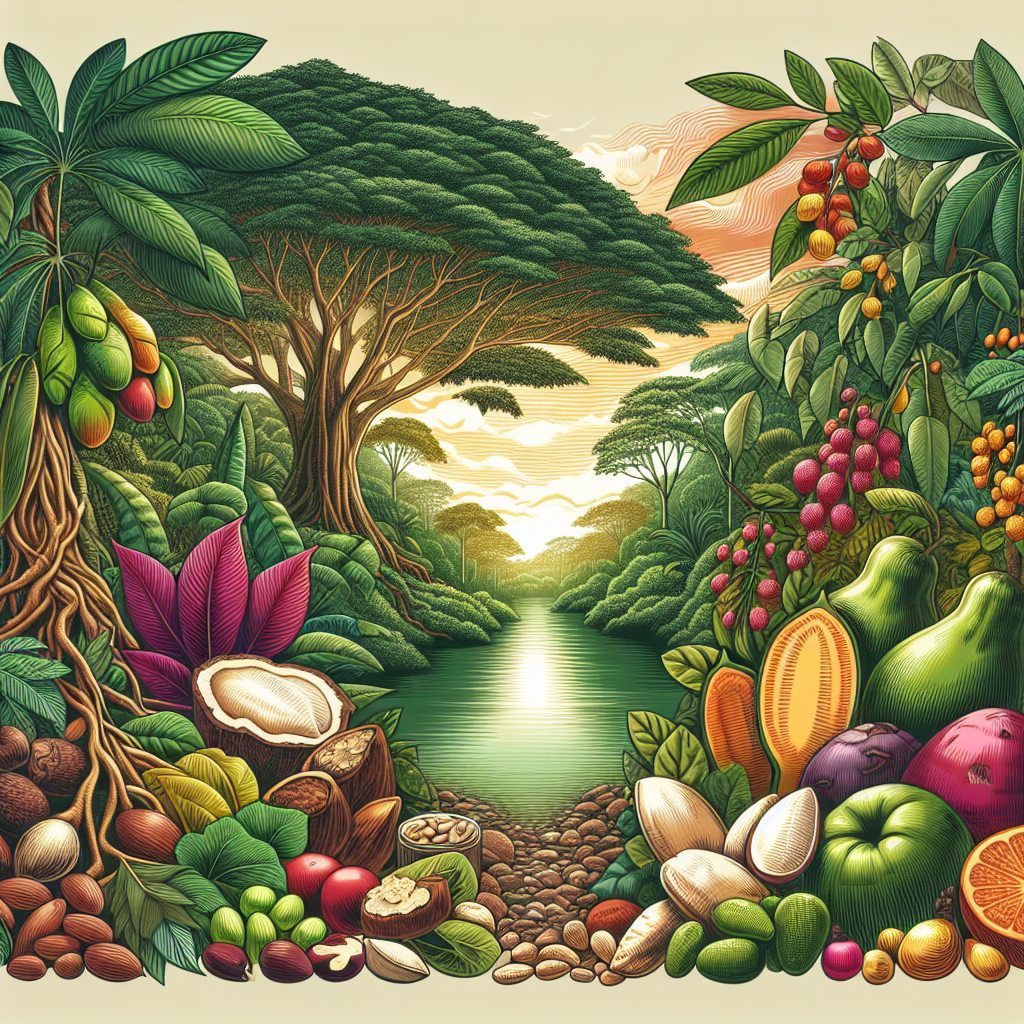
Move Over Açaí – The Amazon Has More ‘Superfoods’ to Offer
For years, **açaí** has reigned supreme as the Amazon’s most celebrated superfood, captivating the world with its deep purple hue and potent mix of antioxidants, fiber, and essential fatty acids[4][2]. But as global tastes evolve and the search for diverse, sustainable nutrition intensifies, it’s time to look beyond the açaí bowl. The Amazon rainforest, a biological treasure trove, offers a plethora of lesser-known superfoods—each with unique health benefits and stories deeply rooted in Indigenous tradition.
## Beyond the Spotlight: Castaña (Brazil Nut)
One of the Amazon’s most important yet often overlooked superfoods is the **castaña**, or Brazil nut. These nutrient-rich seeds thrive in the wild forests of the region and are globally recognized for their high selenium content—a mineral essential for thyroid health and antioxidant defense. Brazil nuts also provide magnesium, healthy fats, and plant protein, making them a valuable addition to any diet[1].
Unlike many crops, Brazil nuts cannot be commercially cultivated in plantations; their trees depend on the intact forest ecosystem to thrive. This means their harvest not only supports local economies but also incentivizes the preservation of the Amazon’s biodiversity. The Brazil nut industry is a vital example of how sustainable wild harvesting can promote both nutrition and conservation[1].
## Cassava: The Ancient Staple
**Cassava** (also known as manioc or yucca) is a starchy root that has sustained Amazonian communities for millennia. While not always marketed as a “superfood,” cassava’s versatility and nutrient profile make it a dietary cornerstone. It is gluten-free, rich in carbohydrates for sustained energy, and provides fiber, vitamin C, and calcium. Cassava is processed into products like fariña (toasted flour), tapioca, and even gluten-free bread, offering a lifeline to communities facing droughts and shifting climates[1].
## Cacao: The Original Chocolate
Cacao, the raw form of chocolate, grows abundantly in the Amazon and is treasured for its **polyphenols**—antioxidant compounds linked to heart health, cognitive function, and inflammation reduction. Unlike processed chocolate, raw cacao contains minimal sugar and high levels of magnesium, iron, and flavonoids. Amazonian farmers use traditional methods to cultivate and ferment cacao, preserving both its flavor complexity and nutritional value[1].
## Camu Camu: The Vitamin C Powerhouse
Another rising star is **camu camu**, a small, sour fruit that thrives along Amazonian riverbanks. Camu camu contains some of the highest concentrations of natural vitamin C found in any fruit—up to 60 times more than an orange. This makes it a potent immune booster, supporting collagen synthesis and acting as a powerful antioxidant. Its tart flavor is often incorporated into juices, supplements, and functional foods around the world.
## Cupuaçu: The Amazonian “Cousin” of Cacao
**Cupuaçu** is related to cacao but offers a distinct flavor profile—often described as a mix of chocolate and pineapple. Its creamy pulp is packed with antioxidants, healthy fats, and unique phytonutrients called theacrine and theobromine, which provide gentle, sustained energy. Cupuaçu is used in desserts, beverages, and even beauty products due to its moisturizing properties.
## Other Amazonian Nutritional Gems
– **Bacaba**: A palm fruit similar to açaí, bacaba is rich in anthocyanins and healthy fats, supporting heart and brain health.
– **Guaraná**: Famous for its seeds’ natural caffeine, guaraná has been used by Indigenous peoples for centuries to enhance stamina and alertness.
– **Sacha Inchi**: Known as the “Inca peanut,” this seed is a plant-based source of omega-3 fatty acids, protein, and vitamin E.
## Sustainability and Ancestral Knowledge
The nutritional bounty of the Amazon is inextricably linked to the health of its ecosystems and the stewardship of its Indigenous communities. Traditional farming methods, such as the **chagra** system, rely on a mosaic of crops like bananas, pineapples, mangoes, and native fruits, fostering biodiversity and resilience[1]. These ancestral practices not only provide balanced nutrition but also protect the forest from deforestation and degradation.
Modern threats such as climate change, deforestation, and the erosion of traditional knowledge pose significant risks to Amazonian food systems. Initiatives led by local communities, supported by organizations like the World Food Programme, aim to combine modern technology with ancestral wisdom—ensuring that the Amazon remains a source of nourishment for generations to come[1].
## The Future of Amazonian Superfoods
As global demand for superfoods continues to grow, it’s essential to recognize the full spectrum of Amazonian nutrition—not just the trendy açaí bowl. By embracing a variety of Amazonian crops, consumers can support sustainable livelihoods, promote biodiversity, and discover new flavors and health benefits that go far beyond the familiar.
So, the next time you reach for a superfood, consider exploring the Amazon’s rich pantry: from Brazil nuts and camu camu to cupuaçu and cassava. In doing so, you’ll not only nourish your body but also help sustain the world’s most vital and vulnerable ecosystem.
*The Amazon is more than just the birthplace of açaí; it is a living pharmacy, a food basket, and a testament to the ingenuity of its people. Let’s celebrate its diversity—on our plates and beyond*[1].
Original source: BBC News – Move over açaí – the Amazon has more ‘superfoods’ to offer