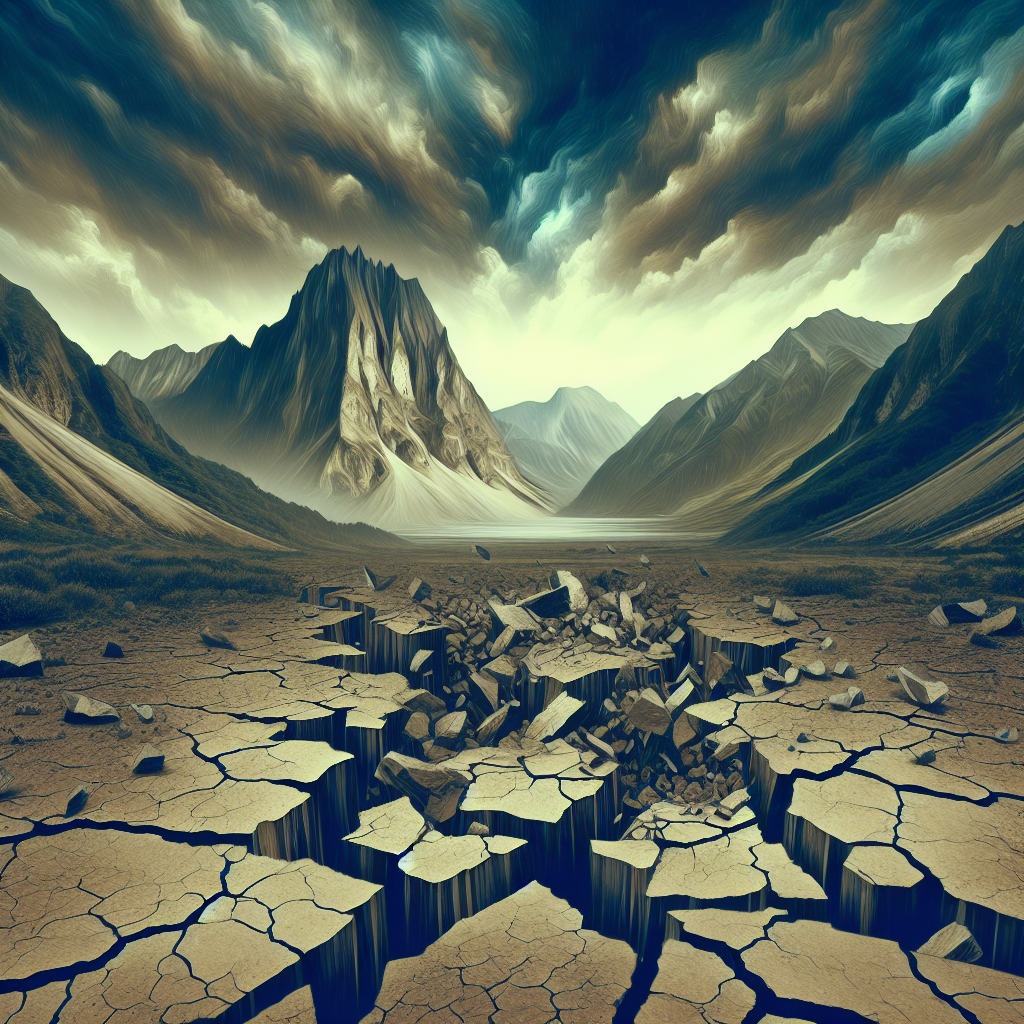
At least **20 people have been killed** and hundreds injured after a powerful magnitude-6.3 earthquake struck northern Afghanistan in the early hours of Monday, November 3, 2025. The disaster, centered near the city of **Mazar-e-Sharif**, has left communities reeling and exposed the vulnerabilities of a nation already contending with humanitarian challenges[2].
## The Earthquake: Timing, Location, and Immediate Impact
The quake struck just before 1 a.m. local time, jolting residents from sleep and sending many fleeing into the streets in fear that their homes would collapse[2]. The **U.S. Geological Survey** reported the epicenter near Mazar-e-Sharif at a depth of approximately 17 miles (28 kilometers)[2][1]. This city, the capital of Balkh province, is home to over half a million people and serves as a key urban center in Afghanistan’s north[2].
The tremors were felt across several provinces, including **Samangan** and **Baghlan**, with reports of collapsed mud-brick homes and desperate rescue efforts underway. Videos shared by Afghanistan’s defense ministry showed civilians, including children, being pulled from the rubble with bare hands—a stark illustration of both the devastation and the resourcefulness of local responders[2].
## Casualties and Damage
**Official figures** from the Taliban government indicate that **at least 20 people have died** and over **320 have been injured**, though the number is expected to rise as search-and-rescue teams reach more remote areas and assess the full extent of the damage[2]. Some local media reported lower initial casualty figures, but these were quickly surpassed as new details emerged[3].
The **USGS issued an orange alert**, signaling that significant casualties and widespread disaster were likely. Past events with this alert level have required regional or national responses, highlighting the seriousness of the situation[2].
## Afghanistan’s Vulnerability to Earthquakes
Afghanistan sits on several major fault lines and is no stranger to deadly seismic events. The country’s traditional mud-brick homes, widespread poverty, and limited infrastructure make it especially vulnerable to earthquakes. The latest disaster comes just months after other deadly tremors:
– In August, a magnitude-6.0 earthquake in eastern Afghanistan killed more than 2,200 people and wiped out entire mountainside villages[1][6].
– Large earthquakes in western Herat (2023) and eastern Nangarhar (2022) also left hundreds dead and thousands homeless[1].
Since the Taliban’s takeover in 2021, the nation has faced a dramatic drop in foreign aid, further undermining disaster response and recovery capacity[1].
## Humanitarian Response and Challenges
Rescue efforts are ongoing, with local teams and residents working together despite limited resources. Many survivors are trapped under collapsed homes, and the risk of aftershocks adds urgency and danger to the rescue operations[2].
Afghanistan’s health ministry warned that the **death toll could rise** as teams reach affected areas. Hospitals in Mazar-e-Sharif and surrounding provinces are struggling to cope with the influx of injured, with many facilities lacking supplies and personnel to handle large-scale emergencies[2].
The international humanitarian community faces significant challenges in delivering aid. Sanctions, security concerns, and logistical hurdles have hampered previous relief efforts, and the scale of the current disaster is likely to strain already stretched resources.
## The Human Cost: Stories from the Ground
Images and videos from the scene depict widespread destruction: houses reduced to rubble, families mourning their loved ones, and children pulled from debris. Many survivors spent the night outdoors, fearing further collapses and aftershocks. Local accounts highlight both the trauma and resilience of the Afghan people, with neighbors and volunteers forming the backbone of emergency response.
## Regional and Global Implications
The earthquake’s impact extends beyond immediate casualties and destruction. Afghanistan’s persistent instability and humanitarian crises mean that natural disasters can quickly escalate into broader emergencies, including displacement, food shortages, and disease outbreaks.
The **USGS alert** suggests that a national-level response is needed, but Afghanistan’s government and international partners must overcome political and logistical barriers to deliver timely assistance[2].
## A Call for Support
This latest earthquake underscores the urgent need for renewed humanitarian engagement in Afghanistan. The convergence of natural disasters, conflict, and economic crisis has left millions vulnerable, with limited access to healthcare, shelter, and basic necessities.
Local responders, aid organizations, and the international community face critical decisions in the coming days. Immediate priorities include:
– Search-and-rescue operations
– Medical support for the injured
– Temporary shelter for displaced families
– Coordination of relief supplies
Long-term recovery will require rebuilding homes, restoring infrastructure, and strengthening Afghanistan’s resilience to future disasters.
## Conclusion
The magnitude-6.3 earthquake that struck northern Afghanistan serves as a sobering reminder of the country’s fragility and the enduring human cost of both natural and man-made crises. As rescue teams continue their work and communities grieve, the world watches—hoping that urgent aid and solidarity will reach those in need[2][1][3].
**Our thoughts remain with the victims, survivors, and all those working tirelessly to provide relief amid unimaginable devastation.**
Original source: BBC News – At least 20 dead after magnitude-6.3 earthquake hits Afghanistan