**Photos: Food Banks Scramble to Get Ready as SNAP Funding Deadline Looms**
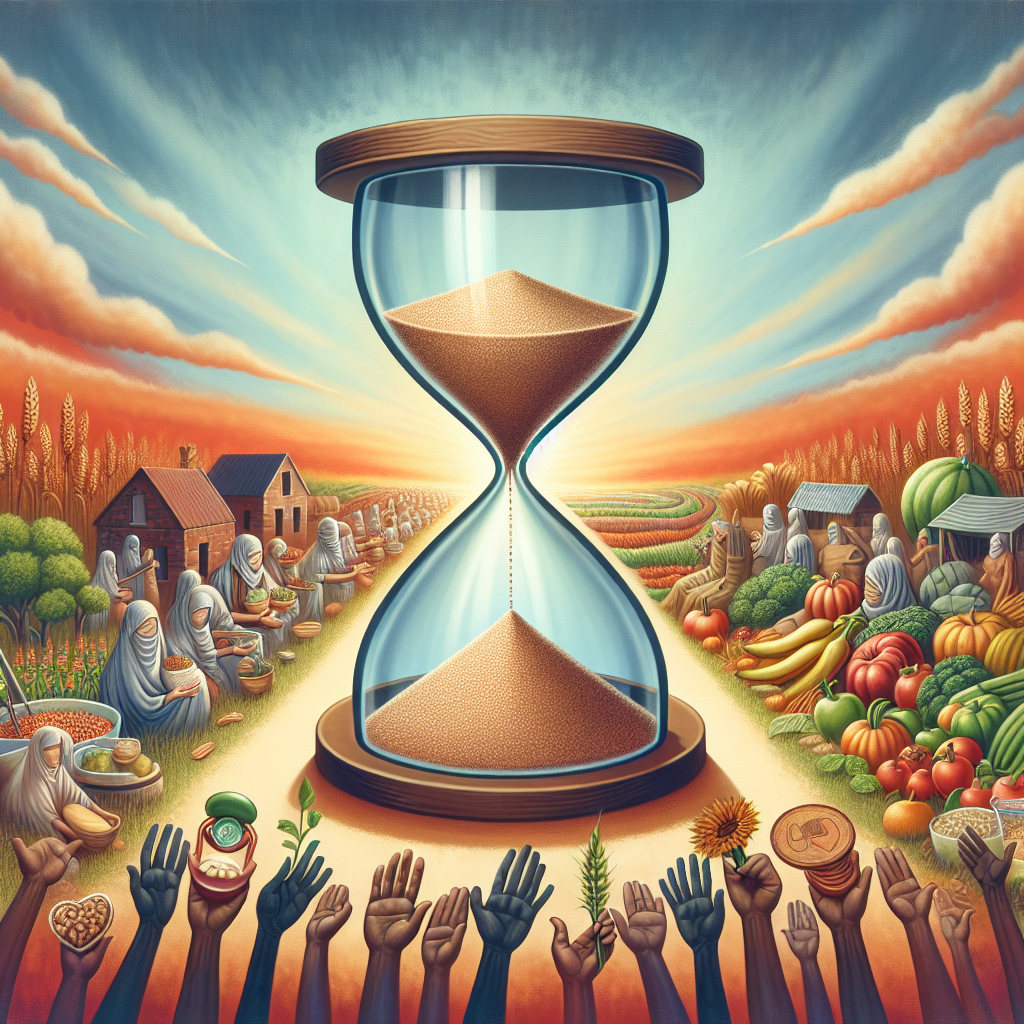
As the clock ticks down to November 1, food banks and pantries across the United States are in a race against time. With the deadline for Supplemental Nutrition Assistance Program (SNAP) funding rapidly approaching, organizations on the front lines of hunger relief are bracing for a surge in demand unlike any seen in recent years[2][3]. The looming crisis has brought urgency and anxiety to communities already struggling with food insecurity, and powerful images from across the country capture the determination, worry, and resilience of those working to fill the gap.
—
**SNAP at a Crossroads: Millions at Risk**
SNAP, the nation’s largest anti-hunger initiative, currently provides nearly $8 billion each month to help over 42 million Americans afford groceries[2]. For decades, this federal program has been a lifeline, especially for low-income families, children, seniors, and people with disabilities. But this year, for the first time in its history, SNAP faces a potential funding lapse. Unless Congress acts to extend appropriations, the program is set to run out of money on November 1, leaving millions wondering how they will feed their families[2][3].
The U.S. Department of Agriculture (USDA), which oversees SNAP, has warned for weeks that without new funding, Electronic Benefit Transfer (EBT) cards will not be refilled for November[2]. While October payments were issued as usual, the uncertainty about November has sent shockwaves through communities and organizations that depend on SNAP to keep hunger at bay[1][2].
—
**On the Ground: Food Banks Mobilize**
Across the country, food banks and pantries are mobilizing for what could be an unprecedented influx of clients. In Massachusetts, the Gardner Community Action Committee (Gardner CAC) Food Pantry, which serves a diverse and growing population, is preparing for a dramatic rise in visitors[2]. Their regular hours—Monday through Thursday, with evening access on Tuesdays—are expected to be stretched to their limits as families seek emergency food assistance.
A statement from Gardner CAC reflects the gravity of the situation: “As our community prepares for a loss in SNAP programs, we know the need for food support is increasing. The Gardner CAC is ready to stand in the gap. We are anticipating an extremely high volume of visitors. Your patience and understanding with our volunteers, staff, and fellow visitors will be deeply appreciated during this busy period. To help us keep our shelves stocked during this critical time, please consider making a donation if you are able. We are in this together, and we are grateful for your support and patience”[2].
Similar scenes are unfolding nationwide. Photos emerging from food pantries show long lines of people—many with children in tow—waiting patiently for bags of groceries. Volunteers, some of whom are SNAP recipients themselves, work tirelessly to unpack deliveries, stock shelves, and offer a comforting word to anxious neighbors.
—
**Community Response: Solidarity and Strain**
The threat to SNAP funding has galvanized communities to action. Donations are being solicited at record rates, and local organizations are coordinating with regional food banks to maximize the amount of food available. In Gardner, weekly trips to the Worcester County Food Bank are now a necessity to keep up with anticipated demand[2].
At the same time, the strain is palpable. Food banks operate on tight budgets and rely heavily on volunteers. As they gear up for a possible wave of new clients, resources are stretched thin. Some organizations have had to temporarily adjust distribution methods and ration supplies to ensure that everyone receives at least some support.
—
**A Larger Movement for Food Access**
The looming SNAP crisis is also shining a light on broader efforts to improve food security and regional food systems. In late October, the City of Gardner celebrated the grand opening of the Waterford Street Regional Food Center—a new hub designed to bolster the local food system, support area farmers, and expand equitable access to nutritious food[2]. The center’s food is distributed across 27 cities and towns, reaching community members through home delivery, schools, hospitals, and other channels. This kind of infrastructure is becoming ever more critical as traditional safety nets face uncertainty.
—
**What’s Next? The Political Stalemate**
The fate of SNAP now rests with Congress. While most House and Senate Republicans have voted to keep the government open and maintain SNAP funding, Senate Democrats have withheld support, citing the need to address other legislative priorities such as health care costs[2]. Without a bipartisan agreement, federal agencies cannot legally disburse funds for November benefits[2][3].
If a temporary spending bill is passed and signed by the president, SNAP recipients could receive their November benefits and food banks could avoid the worst-case scenario. Until then, the uncertainty continues, and food banks remain on high alert—preparing for the possibility that demand could soon outstrip supply[2][3].
—
**Conclusion: Images of Hope and Urgency**
The photos circulating this week tell a story of hardship, collaboration, and resilience. They show volunteers loading boxes into cars, families waiting in line, and shelves filled with canned goods and fresh produce—each image a testament to the power of community in times of crisis. As the SNAP funding deadline looms, food banks stand ready, doing everything they can to ensure that no one in their community goes hungry, no matter what comes next[2].
Original source: NPR News – Photos: Food banks scramble to get ready as SNAP funding deadline looms