
The top three most significant world news stories from the past 24 hours, relevant to technology, business, geopolitics, environmental developments, and innovation, are:
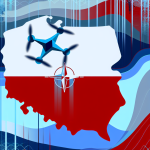
1. Russian Drone Incursion into Polish Airspace Escalates NATO Tensions
- Key Facts: Nineteen Russian drones penetrated up to 250 km into Polish airspace during an overnight attack on Ukraine. The Polish Air Force shot down four drones, marking the first direct engagement with Russian military assets since the start of the Ukraine war. Multiple airports in eastern Poland—including Warsaw Modlin, Rzeszów–Jasionka, and Lublin—were closed. Polish Prime Minister Donald Tusk invoked Article 4 of the North Atlantic Treaty, initiating urgent NATO consultations[2].
-
Context: This marks a significant escalation in Russia-NATO tensions, raising the likelihood of direct confrontation. The drone incursion also reflects Russia’s increasing use of unmanned aerial vehicles to pressure NATO’s eastern flank while continuing its offensive in Ukraine.
-
Implications: The incident could prompt a reassessment of NATO’s air defense posture in Eastern Europe, increase the risk of broader military engagement, and disrupt civilian air travel and commerce in the region. Invoking Article 4 signals that Poland views the situation as threatening its territorial integrity and security, pressuring allies for a coordinated response[2].
2. UN High Seas Treaty Secures Ratification, Global Ocean Protection Set for 2026
-
Key Facts: The United Nations’ “high seas” treaty to protect marine biodiversity beyond national jurisdictions has reached the required 60 ratifications and will enter into force in January 2026[3].
-
Context: The treaty is the first international legal framework dedicated to conserving and sustainably using marine biodiversity in areas beyond national jurisdiction, which make up nearly two-thirds of the world’s oceans. It addresses overfishing, marine pollution, and exploitation of marine genetic resources.
-
Implications: This development is historic for global environmental governance. Countries will be legally bound to cooperate on conservation, conduct environmental impact assessments for high seas activities, and share marine resources more equitably. It sets the stage for new protected areas and could transform ocean management, but success will depend on robust enforcement and continued international cooperation[3].
3. Israeli Airstrike on Hamas Leaders in Doha During Ceasefire Talks Increases Middle East Volatility
-
Key Facts: Israel launched a deadly airstrike targeting senior Hamas leaders in Doha, Qatar, as ceasefire negotiations for Gaza were underway. Hamas claims its leadership survived the attack. The strike has intensified tensions between Israel and the United States, which has expressed concern over the escalation[1].
-
Context: The attack occurs amid ongoing Israeli operations in Gaza and follows a series of Israeli airstrikes in Yemen targeting Houthi sites, raising the risk of broader regional conflict. The United States is now at odds with Israel over the timing and location of the strike, particularly as it targeted figures engaged in diplomatic negotiations[1][2].
-
Implications: This incident threatens to undermine ceasefire efforts, complicate diplomatic relations between Israel and key allies, and destabilize the ongoing Gaza conflict. It may lead to retaliatory actions, further humanitarian crises, and increased diplomatic isolation for Israel if international criticism mounts[1][2].
These stories demonstrate the interconnectedness of security, environmental stewardship, and diplomacy in shaping the global landscape. Each development carries significant risks and opportunities for governments, businesses, and civil society, with outcomes likely to influence policy and public debate in the months ahead.
The post Russian Drone Incursion Into Poland Sparks NATO Tensions; Global Ocean Treaty Ratified – 20/09/2025, 21:33 first appeared on Limited Liability Solutions: AI-driven Mergers & Acquisitions.
Source: Read More