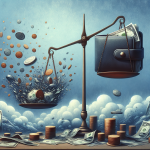

When Our Inflation Infeelings Don’t Match the CPI
If there’s one economic topic that has dominated American conversations over the past several years, it’s inflation. Yet, for many, the official numbers released each month—most notably the Consumer Price Index (CPI)—just don’t seem to match how expensive life feels. Why is it that our lived experience of rising costs often feels so much harsher than what the headlines suggest? As of August 2025, this disconnect between “inflation in feelings” and the official CPI is driving real confusion, frustration, and even mistrust.
The CPI: What It Measures, and What It Misses
The CPI is a statistical measure tracking the average change over time in the prices paid by urban consumers for a market basket of consumer goods and services. It’s the most widely referenced gauge of inflation in the U.S., informing everything from wage negotiations to Social Security adjustments. In July 2025, the CPI was up 2.7% year-over-year, just 0.7% over the Federal Reserve’s 2% target[3]. On paper, that may not look alarming.
But here’s the first catch: lower inflation doesn’t mean prices are going down—it just means they’re rising more slowly than before[3]. The cumulative effect of years of inflation means that even as the rate of increase slows, the overall price level remains high. If you’re comparing your grocery bill, rent, or utility payments to what you paid two or three years ago, the “slowdown” in inflation offers little comfort. You’re still spending more, and those increases are baked in.
Why Our Perceptions Differ from the Data
Many Americans feel like they’re being gaslit when they hear that “inflation is under control” while their household budgets are stretched thin. This disconnect arises from several factors:
- CPI is an average: The CPI market basket might not reflect your personal spending habits. If you spend a larger share of your income on items that have risen sharply in price—like groceries, rent, or healthcare—your personal inflation rate could be much higher than the average[3].
-
Inflation is sticky: Even as the rate slows, high prices remain. People feel the pain of “price sticker shock” long after the initial surge. A 2% increase after a 7% jump the year before still leaves you paying a lot more than you did in 2023 or 2024.
-
Psychological impact: Humans are wired to notice losses and negative changes more acutely than gains or positive news. When prices go up, we feel it immediately; when they stabilize (or rise more slowly), it doesn’t register as relief.
-
Geographic and demographic differences: Inflation isn’t uniform. Urban vs. rural, young vs. old, renters vs. homeowners—all experience different price trends and pressures.
What the Surveys Say: Expectation vs. Reality
Survey data underscores this gap between official metrics and consumer sentiment. In August 2025, the University of Michigan’s Index of Consumer Sentiment fell by 5%, its first decline in four months, largely due to “rising worries about inflation”[2]. Buying conditions for durable goods plunged 14% to their lowest reading in a year as prices remained high. Notably, year-ahead inflation expectations rose from 4.5% to 4.9%, while long-run expectations ticked up from 3.4% to 3.9%[2].
These numbers are crucial: even as the CPI shows “moderate” inflation, the public expects higher inflation in the future. This expectation influences behavior—people may delay purchases, demand higher wages, or cut back on spending, which in turn shapes the economy.
The Minneapolis Fed notes that since the 1990s, consumers have typically expected more inflation than actually occurred[1]. However, the pandemic and its aftermath brought a rare shock: realized inflation in 2021-2022 outpaced both consumer and market expectations. This shock has left consumers warier, and their faith in official statistics shaky[1].
Why the Gap Matters
This mismatch between inflation as measured and inflation as felt has real-world consequences:
- Policy trust: If people don’t trust official statistics, it undermines confidence in policymakers and central banks.
-
Economic behavior: Persistent fears about inflation can lead to changes in saving, spending, and investing that affect economic growth.
-
Political frustration: When people feel their concerns aren’t reflected in official narratives, it fuels cynicism and political polarization.
What Can You Do?
If you feel the CPI doesn’t reflect your reality, you’re not imagining things. Experts recommend tracking your personal inflation rate by comparing your current spending on key categories to what you spent a year or two ago[3]. This can provide a more accurate picture of your household’s cost pressures.
It’s also important to understand that even if official inflation is “cooling,” the legacy of past increases is still with us. Policymakers, economists, and businesses are increasingly aware of this disconnect and are looking for ways to measure and address it[3][1].
Looking Ahead
While official data remains crucial for economic planning, lived experience tells its own story. As of mid-2025, the “inflation in feelings” for many Americans remains higher than what the CPI suggests. Recognizing and respecting this gap is the first step toward better communication, smarter policies, and a more accurate reflection of economic reality in our collective dialogue.
Original source: NPR News – When our inflation infeelings don’t match the CPI
The post “Americans Feel Inflation Pinch Despite CPI Claims, Trust in Economic Data Wanes” first appeared on Limited Liability Solutions: Navigating Business Excellence in a Digital World.
Source: Read More